

Articles by Dennis P. Petri
-
We like our persecuted Christians heroic. The stories that circulate in Western churches are about believers who stand firm, refuse to recant, and stay put whatever the cost, are true and they matter. But they have left many Christians with an unspoken assumption: that the faithful response to persecution is always to endure it, and that anything else is a failure of nerve. -

Persecution that results from religious activity not identity
The people most at risk of violence for their faith are usually not the ones who belong to a religious minority but the ones who do something with their religion, and the violence against such active Christians goes largely unrecorded, unexplained, and unaddressed. Here's why the distinction between identity and activity matters. -

The danger of trusting a chatbot with the right opinions
AI systems are designed to affirm your pre-existing bias, whether that bias is liberal or conservative, and therein lies the danger. What we actually need are instruments that help us find out when we are wrong. That used to be called education, and was essential to discipleship. We need to be wary of technology tuned to our tribal biases. -

The Church in post Christian Europe is not being persecuted but it is losing respect
A wave of crime against UK and French churches does not indicate persecution, but is still revealing. It indicates that the declining moral standing of Christianity in Western European life matters, not as a theological problem but as an increasingly serious sociological one. -

No quiet revival: when confirmation bias masks error
Celebration of the UK's "Quiet Revival" may have suddenly gone quiet but the experience has left the Evangelical Church with valuable lessons to learn—no more so than to be cautious of confirmation bias (believing something is true because you want it to be so). We do well to ensure that what we are celebrating is verifiably accurate. -

The unhelpful vortex that is the conference industrial complex
NGO professionals can find themselves traveling from conference to conference, only to encounter the same people and organizations time after time, listen to the same first-year university level talks, and have the same conversations that sound good but effectively go nowhere. Questioning the conference industrial complex. -
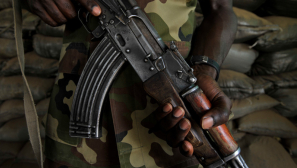
Stop looking only for a religious motive for hostility
The religious freedom movement needs to ask broader questions than just whether there was an explicitly anti-religious intent for harm created. Instead of treating motive as the defining criterion, we should examine how religious identity or behavior shapes a community’s vulnerability to harm. This article explains why. -
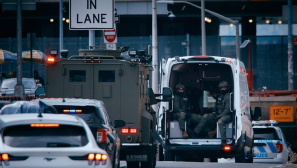
How should people of faith respond to Maduro's sudden fall?
With the Maduro regime in Venezuela suddenly collapsed, what should be our response as people of faith? Dennis Petri, an expert in Latin American religious freedom encourages us to respond to the latest developments with both principle and prudence even as we pray for the Venezuelan people and their journey toward a free and flourishing life.