
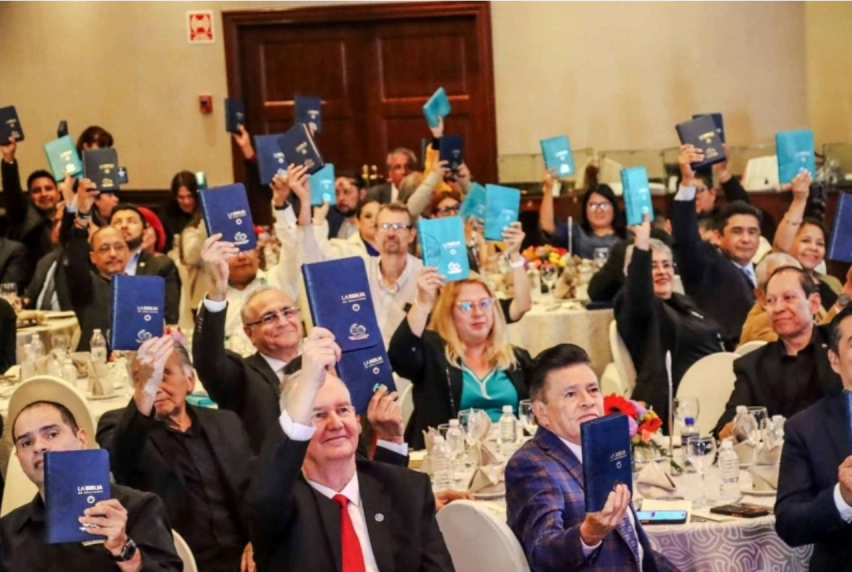
As Mexico’s religious landscape continues to evolve, a Christian organization is celebrating six decades of ministry with a mission to make the Bible accessible to everyone — in their own language and in formats they can use.
The Bible Society of Mexico (SBM) was founded in 1966 and is part of the international fellowship of the United Bible Societies. Its mission is to make Scripture available to all people through Bible translation, production and distribution, working across denominational lines with churches and Christian organizations.
In 2026, SBM is celebrating 60 years of ministry. Over the decades, its work has supported thousands of churches, seminaries, ministries and believers who have found in Scripture the foundation of their faith.
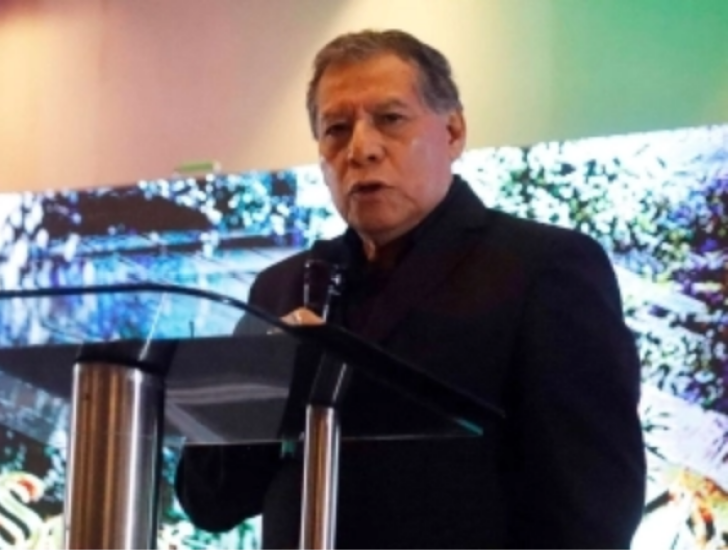
Jaime López Vázquez, director of SBM, told Christian Daily International that the organization's mission remains as important as ever.
“God’s heart is to reach every Mexican. There is much work to be done, and we need the support of the entire evangelical Church in unity. When we achieve that, we will change the course of this country through biblical principles and values,” López said.
For López, reaching younger generations is one of the areas the church must address more urgently.
“Very few people recognize the great need for generational change. We face significant challenges in reaching young people and children who need to discover that the Word of God is still living and powerful in their lives,” he said.
As technology and culture change, SBM has expanded its outreach through digital platforms, artificial intelligence and multimedia resources, seeking to help younger generations stay connected to Scripture.
Digital formats have also made it possible for people with limited access to printed materials to read or listen to the Bible on mobile devices. The organization also provides resources in Braille for people with visual impairments.
When the Bible Society of Mexico was founded, the country looked very different from today. Although Mexico's Constitution already guaranteed freedom of religion, evangelical churches had a much more limited public presence.
According to census data from Mexico’s National Institute of Statistics and Geography (INEGI), the country’s religious diversity has steadily increased over the past several decades. At the same time, evangelical and Protestant churches have expanded their presence across the country, creating greater demand for biblical resources for evangelism, discipleship and the training of new believers.
Data from Mexico’s General Directorate of Religious Associations, part of the Secretariat of the Interior, show that nearly 10,600 religious associations are officially registered in the country.
This growth has also created new challenges for organizations involved in Bible distribution. They must serve urban, rural and Indigenous communities, each with distinct cultural and linguistic needs.
Translating the Bible Into the Language of the Heart
Translating the Bible into different languages involves far more than simply converting words from one language to another. It requires years of collaboration among linguists, Bible translators, community leaders and native speakers to ensure that the message remains faithful to the original text while being understandable to people encountering Scripture in their mother tongue.
The challenge is particularly significant in Mexico, one of the world's most linguistically diverse countries. The Mexican government recognizes 68 Indigenous language groups, with hundreds of linguistic variants among them.
Millions of people still have limited access to the Bible in their own language. SBM is working to address that gap by translating Scripture for Indigenous communities while seeking to preserve their languages and cultural heritage.
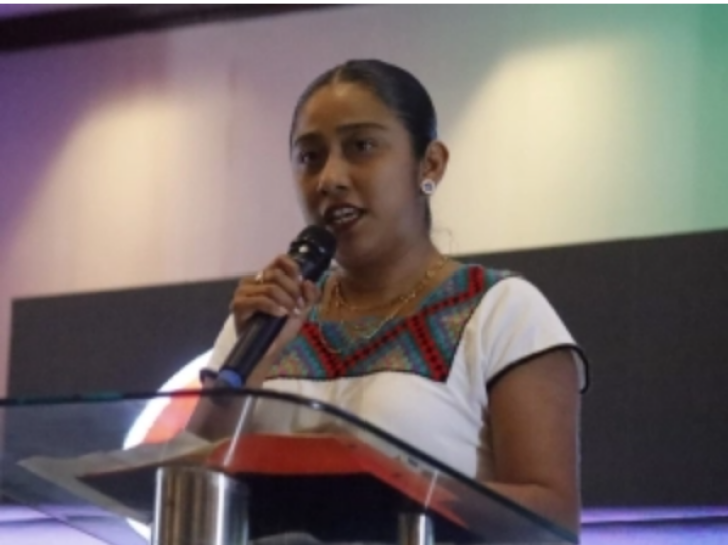
“It is about building a bridge so that people can hear the voice of God in the language that speaks to their hearts. In our community of Ixcatlán, over 18 years, we have seen lives transformed through reading the Bible,” said Benito Fernández Figueroa, a Mazatec Indigenous translator and community leader.
SBM says the Bible has been translated into eight Indigenous languages, including Maya, Chol, Tzotzil, Tzeltal and Mixe.
Bible translation specialists say access to Scripture in a person's own language can deepen understanding of the Gospel while also helping preserve the cultural heritage of Mexico’s Indigenous communities.
The Numbers Behind the Ministry
The growing demand for Bibles in Mexico reflects both the expansion of churches and the need for resources specifically designed for children, young people, families and new believers.
Over the past six decades, SBM has participated in literacy initiatives, Bible education programs, efforts to increase Scripture access for people with disabilities, and programs serving children, young people and families.
“In 60 years, more than 374 million biblical materials have been distributed, and we have reached 13 cities across the country with service and distribution centers,” said Efraín Amaro, SBM’s head of distribution.
A Mission Shared With the Church
SBM works with churches from a wide range of Christian denominations, respecting their doctrinal traditions while maintaining its focus on making Scripture accessible.
In a world saturated with information, Christian leaders say the fundamental challenge remains the same as it was six decades ago: making sure every person has access to the Bible and can understand its message.
“We recognize God’s faithfulness to SBM, and He will continue to do so. We have witnessed that the light of God’s Word continues to shine,” said Chris Egitto, executive director of effectiveness at the United Bible Societies.
Sixty years after its founding, SBM emphasizes that the impact of its ministry cannot be measured only by the number of Bibles distributed, but also by the lives transformed through encountering the message of Jesus Christ.
As part of its 60th anniversary celebrations, SBM will hold a series of activities throughout the year, including thanksgiving services, conferences, historical exhibitions, gatherings with churches and campaigns encouraging people to read the Bible daily.
Original reporting by Diario Cristiano, Christian Daily International's Spanish edition








