
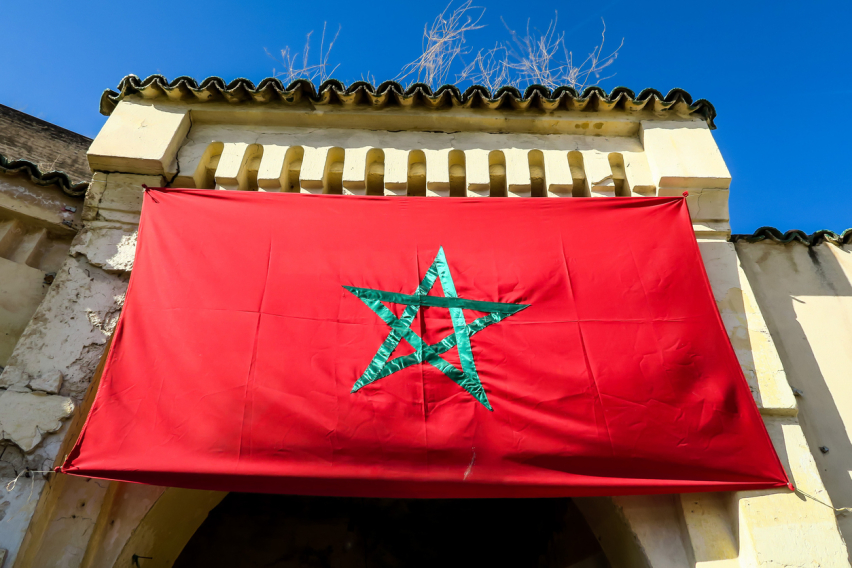
Moroccan Christian groups are pressing political parties to address freedom of belief and the rights of religious minorities as the country prepares for parliamentary elections on Sept. 23, saying religious freedom should be part of the political debate rather than left to individual candidates.
The Coordination of Moroccan Christians wants political parties, particularly those on the left, to include freedom of belief and the rights of religious minorities in their electoral and government programs, according to Hespress. The group has sought dialogue with political parties since about 2018.
Mustapha Soussi, secretary-general of the coordination, said several parties have remained reluctant to engage publicly because they fear losing votes in the Muslim-majority country.
The group plans to continue discussions after the election because most parties have already prepared their electoral programs.
The Union of Moroccan Christians is pursuing a similar effort. Its president, Adam Rabati, said the organization has approached several parties about its proposals and possible political participation. An appeal sent through a senior member of the Authenticity and Modernity Party received no response, he told Hespress.
The union is not formally authorized by Moroccan authorities but plans to encourage Moroccan Christians to vote after reviewing candidates and their platforms.
The two organizations say political parties generally treat religious freedom as an individual matter rather than developing formal policies addressing the rights of non-Muslim Moroccan citizens.
The campaign comes as Morocco prepares to elect all 395 members of its House of Representatives on Sept. 23. The election will determine the country's next parliamentary majority and shape the political agenda for the coming term.
Morocco's Constitution creates a complicated framework for that debate. It identifies Islam as the religion of the state while guaranteeing freedom to practice religious affairs. King Mohammed VI also holds the constitutional title of Commander of the Faithful, giving the monarchy an important religious role.
The country's political system therefore gives Islam a privileged constitutional position while also recognizing religious freedom as a fundamental principle. That tension has long affected Moroccan citizens who identify as Christian.
The situation of Moroccan Christians differs from that of foreign Christians living in the country. Morocco allows 44 registered Christian churches serving foreign residents, where foreign residents and visitors can worship without restriction.
Authorities, however, have continued to deny Christian organizations made up of Moroccan citizens the right to establish new churches and to conduct Christian or civil marriage and funeral services. Reports have also documented social pressure on Moroccan Christian converts, including pressure from family members and friends to renounce their faith.
The U.S. State Department has reported that Moroccan Christian citizens have faced difficulties establishing churches and organizing Christian marriage and funeral services. Some have also chosen to worship privately because of concerns about government scrutiny or social pressure.
Morocco does not simply criminalize the act of becoming Christian. Its Penal Code also restricts attempts to “undermine the faith” of Muslims or encourage Muslims to convert to another religion.
The concerns raised by Christian organizations also have a history extending well beyond the current election.
In 2018, the Moroccan Christian Coordinating Group met with the country's National Council of Human Rights and presented a memorandum calling for greater recognition of Christian citizens' rights.
The requests included freedom of worship as well as rights related to marriage, burial and the naming of children. A June 2023 meeting between the Coordination of Moroccan Christians and the National Council of Human Rights also addressed the rights of Moroccan Christian citizens and their concerns over freedom of belief and religious practice.
The groups have also sought to make the issue broader than the interests of a small religious community. Their argument is that Moroccan Christians should be able to enjoy equal citizenship without having to conceal their beliefs or depend on individual political figures to defend their rights.
Morocco's Constitution prohibits political parties based on religion and protects the country's Islamic identity. Political parties also operate in a society where Islam is overwhelmingly dominant. That makes public advocacy for the rights of Christian converts politically sensitive, particularly during an election campaign.
The reluctance described by Soussi is therefore significant. If parties are prepared to discuss the issue privately but unwilling to include it in their public programs, the Christian organizations' campaign could expose a gap between individual support for religious freedom and a willingness to make it an explicit political commitment.
The coming election may therefore provide a measure of how willing Morocco's political parties are to engage with the country's Christian citizens publicly.
With parties already finalizing their platforms, the immediate opportunity to secure formal commitments before the Sept. 23 vote may be narrowing. But the groups say their campaign will continue after the election.








