

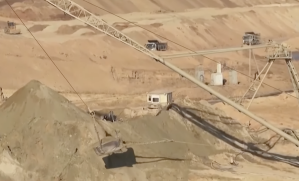
Scientists exploring new ways to extract rare earth elements from domestic waste and polluted land say their work could help address long-standing ethical and environmental concerns tied to global mineral supply chains.
According to a recent report by the BBC, researchers are developing methods to recover rare earths without conventional mining, including using fungi to absorb valuable minerals from contaminated soil and extracting rare earths from industrial waste such as coal ash, mine tailings and discarded electronics. The approaches could allow countries to source critical materials locally while cleaning up environmental damage left by earlier industrial activity.
Rare earth elements are essential for modern technologies, including batteries, magnets and renewable energy systems. Yet their extraction has often been associated with pollution, labor abuses and geopolitical conflict, particularly in parts of the developing world.
Those concerns have been highlighted in previous reporting by Christian Daily International, including an investigation into allegations that Apple used minerals linked to armed groups in the Democratic Republic of Congo. Rights advocates have warned that the mining of cobalt and other critical minerals in the region has been tied to child labor, unsafe working conditions and violence, raising difficult ethical questions for global technology companies and consumers alike.
The BBC report notes that many rare earth elements are not truly scarce but are widely dispersed in low concentrations — including in waste generated by mining, energy production and manufacturing. Researchers say recovering these materials from existing waste streams could reduce pressure to open new mines in environmentally sensitive or politically unstable regions.
Environmental scholars cited by the BBC argue that the United States and other developed economies already possess significant quantities of rare earths in coal ash piles, red mud from aluminum production and discarded consumer electronics. In some cases, concentrations in waste are higher than those found in natural ore deposits.
While the technologies remain under development and face economic hurdles, researchers say the long-term potential is substantial. Beyond improving supply security, the methods could allow governments and industries to address legacy pollution while reducing reliance on mineral extraction linked to human rights abuses abroad.
If proven viable at scale, the emerging approaches could help reconcile economic demand for critical minerals with environmental stewardship and ethical responsibility — turning industrial waste into a resource and easing the moral costs embedded in today’s global supply chains.


