

Articles by CDI Staff
-
-
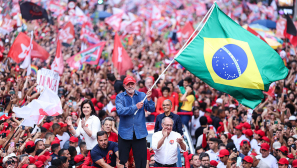
Lula wins fourth term in Brazil as Flávio Bolsonaro rejects runoff result
Brazilian President Luiz Inácio Lula da Silva, 80, won a fourth term Sunday, defeating Sen. Flávio Bolsonaro, 45, in a runoff his opponent refused to accept. -
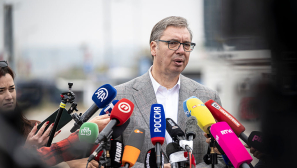
Serbia’s Vučić concedes election to student movement; evangelical pastor calls result ‘a miracle’
Aleksandar Vučić, who has dominated Serbian politics as prime minister or president since 2014, conceded defeat Sunday to a student-led anti-corruption movement in snap parliamentary elections. -
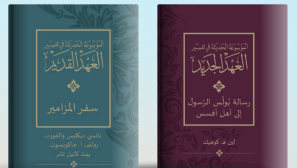
Arabic editions of major Bible commentary series aim to fill long-standing gap for Arab churches
Five volumes from two English-language Bible commentary series used widely in seminaries are now available in Arabic. Organizers describe the release as the first result of a translation effort meant to address a shortage of detailed biblical scholarship in the language. -
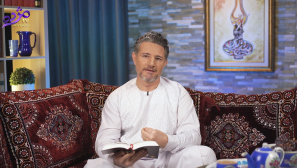
Mozhda TV goes on air as first Afghan Christian TV channel in historic launch
Mozhda TV, which its founders describe as the first Afghan Christian television channel, began broadcasting Saturday, Oct. 24, as church leaders, mission partners and Afghan believers gathered to mark its launch. -
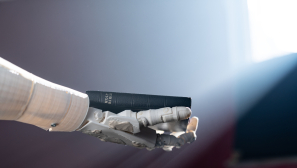
‘AI cannot pray for us’: Indian AI specialist urges pastors to own their sermons
Pastors who use artificial intelligence to prepare sermons and Bible studies must take full ownership of what they preach, an Indian AI specialist told church leaders. He also urged them never to enter personal or pastoral information into public AI tools. -
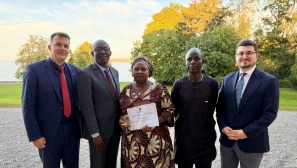
Nigerian mother acquitted of blasphemy receives Shahbaz Bhatti Freedom Award
A Nigerian Christian mother who spent 19 months in prison on blasphemy-related charges before being acquitted has received the 2026 Shahbaz Bhatti Freedom Award. -
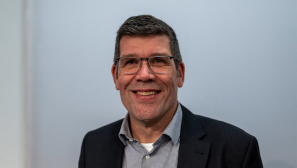
German Free Evangelical federation elects first general secretary under new structure
The Federation of Free Evangelical Churches in Germany has elected longtime staff leader Sascha Rützenhoff as its first general secretary, a post created as part of a restructuring of the denomination's national leadership. -

AI cannot become conscious, Indian theologian Vinay Samuel argues, warns of revived urge to ‘play God’
Artificial intelligence cannot become conscious in the way humans are, Indian theologian Canon Dr. Vinay Samuel said. He also warned that AI-driven technology has revived an ancient human urge "to play God." -
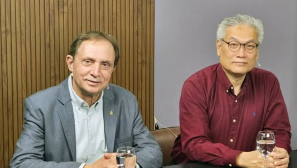
Veteran missions leader Daniel Bianchi to lead Arise Latin America
Daniel Bianchi, who has served as the Lausanne Movement's regional director for Latin America since 2017, has been appointed director of Arise Latin America, carrying into the region a youth missions movement that held its largest congress to date in Manila, Philippines, in July. -

Canadian Christians tie poverty care to faith but many are unsure how to help, study finds
Nearly three in four Canadian Christians surveyed in a new national study said caring about global poverty is part of following Jesus, yet 40% said they were unsure how to respond in ways that are wise and helpful, according to research released Saturday by a Canadian Christian network. -
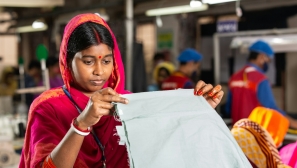
Baptist report highlights gap between fashion brands’ commitments and workers’ rights
A major Baptist report on global fashion supply chains has highlighted a persistent gap between corporate commitments and progress for garment workers, finding that 87 percent of assessed companies could not demonstrate that workers in any of their facilities were paid a living wage.