
Articles by Harvey Kwiyani
-
Our structures are our theologies embodied, revealing what our communities truly believe about God, the Church, authority, and one another. If our structures do not embrace true mutuality, they proclaim a theology that no amount of rhetoric about unity and partnership can conceal. For the well-being of the Church globally, it is appropriate to ask what kind of relationships are we committed to? -
African examples of decolonizing authentic Christian faith
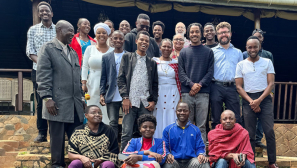
Participants at the Network for the History of Mission in Arusha April 2026 shared how they have learned to be more authentically their ethnic selves as they faithfully follow Christ. In contexts of increasing confidence in authentically ethnic Christianity as well as complex urban fellowship diversity, churches need leaders equipped to better navigate cultural difference, recognize hidden patterns of exclusion, and cultivate a genuinely shared life together in Christ. -
Maintaining faithful Christian witness when faced with the temptations of empire
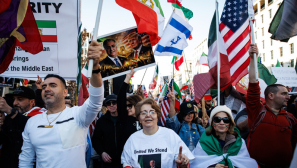
When we are impacted by the reality of war Christians need a strong theological foundation rooted in Scripture not doctrinal tradition that emerged from another context with questionable bias. Rather than choosing a side, we need to fix our eyes on Jesus and the ethics of the kingdom of God, because the future of the world does not ultimately depend on the success of empires. -

Three pillars to support spiritual growth in mutli-cultural contexts
For the most part, churches have not developed a robust theology of intercultural engagement. Instead, churches in multi-cultural contexts resist the influence of cultural newcomers by sanctifying their pre-existing dominance. In doing so, great opportunities for spiritual growth are missed. -
In times of crises let us respond with hospitality not hostility
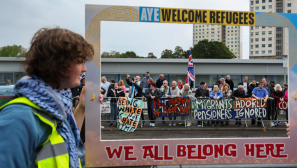
In response to increasing antagonism towards migrants and refugees in some Western nations, followers of Jesus should take a long hard look at biblical precedents that promote hospitality and especially New Testament examples. The Church should have a bigger imagination than that promoted by anti-migrant protesters. -

Church planting is a spiritual necessity especially as Christianity resurges among young Brits
In the United Kingdom, a lot of evidence is confirming the existence of the so-called "quiet revival" but history tells us that new moves of the Spirit need new wine skins to help support and sustain metaphorical new wine. Church planters urgently need to be developed because church plants give structure to what God is doing outside the spotlight. -

Migrant influence on UK's Quiet Revival and the urgent need for theological education
The Quiet Revival may speak of mostly young and white new Christians, but if revival theories hold true, this movement was prayed into being and more likely than not those prayers were from black, brown, and Pentecostal migrants to the UK. As growth continues, there is an urgent need to provide options for robust theological education to new leaders. -
Migration resistance in the West influencing Majority World leadership in church and missions
The United Kingdom is fast approaching a tipping point in terms of population diversity, which has influence on church growth and missions. Yet traditional global missions continue to struggle with accepting leadership from the Majority World. And now the question is asked, how influential will be the anti-DEI stance now politically vogue in the United States? -
We have no king but Ceasar!
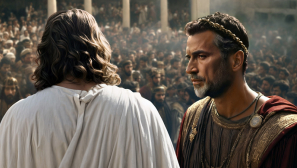
We are being tempted afresh to give our allegiance to men who wield great power and wealth in the hope that we will benefit from their rule over us. This is a temptation as old as humanity. The true follower of Christ should give no allegiance to anyone but Jesus. -

Sealing the rift between church and missions through the evangelisthood of believers
Western expressions of our faith have dichotomized church and missions as different things. This should never be so. We can learn from the African Church that all believers carry a responsibility for missions-type of activities. -

Christian migrants fear for the spiritual wellbeing of their children
One hundred years ago, Europeans were trying to convert Africans to Christianity. Today, Africans are worried that Europeans will make their children convert from Christianity to secularism. The challenge is very real and not enough is being done to address it. -
African diaspora missions still tethered to Western missions thinking
Around the world we seem to have an identity crisis in the language of missions as missions conducted by black or brown people adopts missions thinking originating from white Westerners. This remains evident in the African American and Afro Caribbean missions movements as seen through the eyes of a Malawian living in the UK.