


Generation Z’s defining traits of digital immersion, heightened cultural awareness, a strong pursuit of wellbeing and renewed spiritual openness are reshaping the landscape of discipleship and forcing Christian student ministries to rethink long-standing approaches, according to a new qualitative report by the International Fellowship of Evangelical Students (IFES).
The report, released Dec. 11 and titled Gen Z Insights for Global Student Ministry (2025), draws on interviews and focus groups conducted across eight countries to explore how these four characteristics are influencing faith formation and ministry engagement. IFES, which works in 180 countries to support gospel witness among university students, said the study aims to provide practical, contextual guidance for ministries navigating rapid generational change.
For the study looking at the four characteristics, IFES enlisted Peter Dray, a U.K. leader for the past 20 years in Universities and Colleges Christian Fellowship (UCCF), a national IFES movement. He visited student movements to hear from interviews and focus groups about the experiences of Gen Z (born 1997 to 2012) from students and staff in eight countries: U.K., Ireland, Kenya, Singapore, Hong Kong, Timor-Leste, and two nations in the Middle East/North Africa.
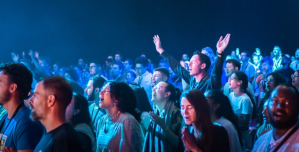
“Gen Z – the largest generation yet – is passing through our college campuses and joining staff, and they are reshaping student ministry,” said Annette Arulrajah, IFES Associate General Secretary. “Many of us are recognizing that this is a time to go beyond ‘ministry as usual’. This report is an insightful and practical resource for anyone looking to reimagine how to reach, disciple, and release this potent new generation.”
The report had been commissioned in response to a need for “practical, contextual applications for working Gen Z students and younger staff,” according to IFES. Previous studies by other organisations tended to focus on students in the West. However, most Gen Z students live in the Majority World with more than a quarter in South Asia, thus the IFES report seeks to provide a unique perspective.
Highlights from the report reveal that digital immersion has shaped values for Gen Z. In communication they look for authenticity and reality with depth.
At the same time, a dual dynamic has been created through greater cultural awareness and connectivity. This means Gen Z feels a “sense of shared generational identity,” according to IFES, and yet “individual identity has also become increasingly important.”
“This highlights a need to foster student communities that celebrate God-given differences while finding deeper unity in Christ,” added IFES.
Another component presented in the report is increased diversity in academic settings. It means students and staff need practical equipping to understand intercultural needs of a wider demographic, so that cultural boundaries can be crossed in giving the gospel. Ministries also need leadership structures that reflect ethnic diversity on campuses.
Gen Z prioritizes wellbeing, which means living better not just longer, according to the report.
“Digital fatigue and mental health challenges were major concerns expressed in every country studied,” said the report. “Gen Z expects the communities around them, including the church and student groups, to support their quest for wellbeing. Student ministries need to consider how to respond.”
The report noted a spiritual openness by Gen Z students in every country visited. Students believed their generation had a greater willingness to change their spiritual beliefs compared to their parents. However, the danger of spiritual exploration being fluid and personalized was also noted and “ministries need to find ways to present the uniqueness of Christ.”
“The profound shifts we’re seeing among Gen Z signal a potentially very exciting moment for global student ministry, presenting opportunities and challenges,” said the report’s author Peter Dray. “The report offers practical frameworks for ministry adaptation and intergenerational collaboration in our rapidly evolving global student context. I hope and pray it will kickstart discussions about how to effectively partner with Gen Z to help advance Christ’s kingdom in the world’s universities.”
IFES designed the report to provide perspectives from the grassroots and diverse network of the student movement, and not only through a western viewpoint. The organization hopes the report will provide a base for further and deeper discussions about the findings.
“The report is part of a new multimedia suite of resources launched by IFES, including Bible study guides, a webpage compiling materials from across the fellowship, and a podcast mini-series due to launch in January 2026,” added IFES.
“The four-part podcast series will broaden the conversation by including global perspectives from staff, students, and special guests.”
For more information, or to download the report, visit: ifesworld.org/gen-z. All materials are available in English, French, and Spanish.


