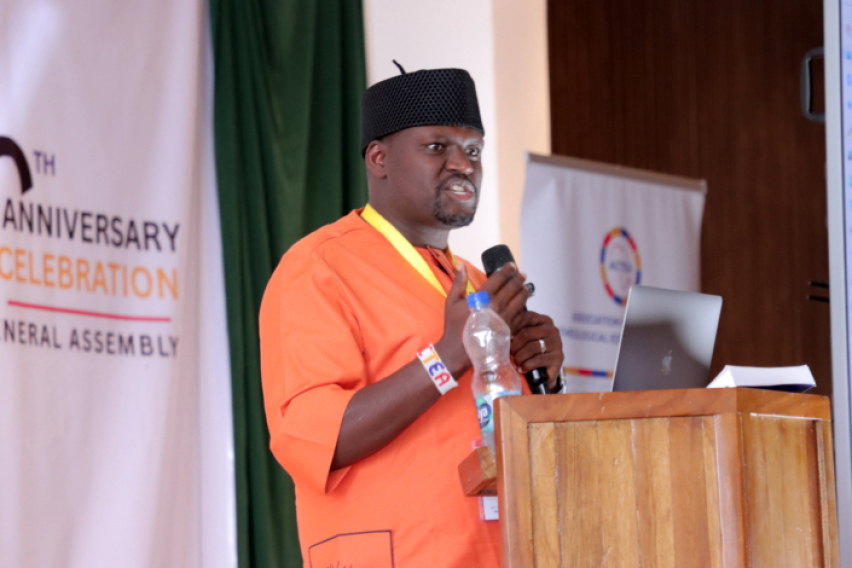
The Association for Christian Theological Education in Africa (ACTEA) is marking its 50th anniversary this week during its General Assembly in Bishoftu, Ethiopia, where theological educators and Christian leaders from across Africa are discussing how to expand training for church leaders amid rapid growth of Christianity on the continent.
The gathering, held under the theme “Future Ready, Mission Faithful,” has drawn representatives from theological institutions in 31 countries, according to organizers. Participants include leaders of the Association of Evangelicals in Africa and officials from seminaries, universities and Bible colleges that participate in ACTEA’s accreditation network.
Speakers at the assembly addressed challenges facing theological education in Africa, including the need to prepare church leaders for rapidly changing cultural contexts, technological developments and continued church expansion across the continent.
The meeting also comes as Christian leaders warn that Africa’s rapidly growing churches are outpacing the capacity of theological institutions to train pastors and ministry leaders.
In an earlier interview with Christian Daily International, ACTEA Executive Director Dr. David Tarus said many congregations across Africa are being led by pastors who have had little or no formal theological training because the number of training institutions and faculty has not kept pace with church growth.
“Church growth in Africa has been phenomenal, but theological education has not grown at the same pace,” Tarus said in the interview. “The challenge is how to train enough leaders while maintaining strong theological standards.”
According to Tarus, the shortage of trained leaders has prompted theological institutions to explore new approaches, including modular programs, online learning and partnerships between seminaries and local churches to extend training opportunities.
Founded in 1976 as a project of the theological education commission of the Association of Evangelicals in Africa, ACTEA was established to provide accreditation and quality assurance for evangelical theological institutions across the continent. At the time, formal accreditation systems for seminaries and Bible colleges were still limited in many African countries.
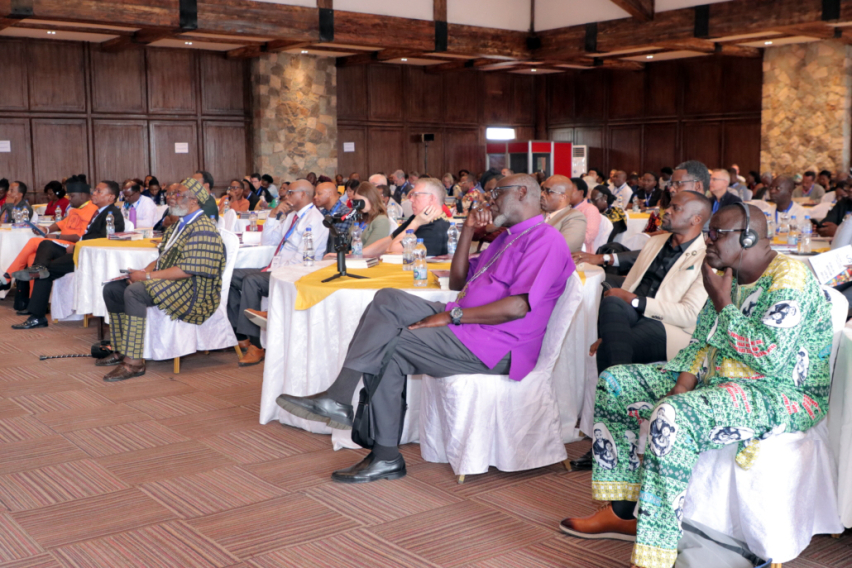
Today ACTEA works with evangelical universities, seminaries and Bible colleges across Africa to strengthen theological education through institutional accreditation, research and capacity development.
Participants at the anniversary assembly also included members of the executive board of the Association of Evangelicals in Africa, among them Rev. Dr. Jean Libom Li Likeng, Archbishop John Praise Daniel and Dr. Master Matlhaope, who also serves as ACTEA’s president. Among those attending was the immediate past ACTEA executive director, Emmanuel Chemengich, now bishop of the Anglican Diocese of Kitale in Kenya.
Discussions during the assembly have focused on the future of theological education in Africa as churches expand rapidly in both urban and rural areas.
Tarus said the goal for many institutions is to find ways to expand access to theological training without weakening academic standards or biblical foundations.
“The church in Africa needs leaders who are both spiritually grounded and theologically equipped,” he said.
Organizers said the assembly is expected to conclude with discussions on strategies to strengthen cooperation among theological institutions and expand training opportunities for church leaders across the continent.