As European nations finalize preparations for a major shift in migration policy this June, church leaders gathered in Bucharest in April warned that faith communities must prepare for a “new phase” of humanitarian need.
The executive committee of the Churches’ Commission for Migrants in Europe (CCME) launched the fourth edition of its “Mapping Migration” report during a two-day meeting hosted by AIDRom, an ecumenical organization representing Orthodox and Protestant churches in Romania. The report serves as a comprehensive record of how churches across the continent are navigating displacement crises that have defined the past decade.
The gathering comes as the European Union’s Asylum and Migration Pact is set for full implementation on June 12. The new legal framework introduces mandatory border screenings and accelerated processing—measures experts say will turn border nations like Romania into long-term holding hubs.
“Through screening and border procedures, Romania will see many people stuck at the external border,” said Dr. Torsten Moritz, general secretary of the CCME. “It is very important that churches are responding to that.”
Moritz noted that the choice of Bucharest for the meeting reflects the “frontline” reality many member organizations now face. He pointed to AIDRom’s recent efforts as a model for the wider church.
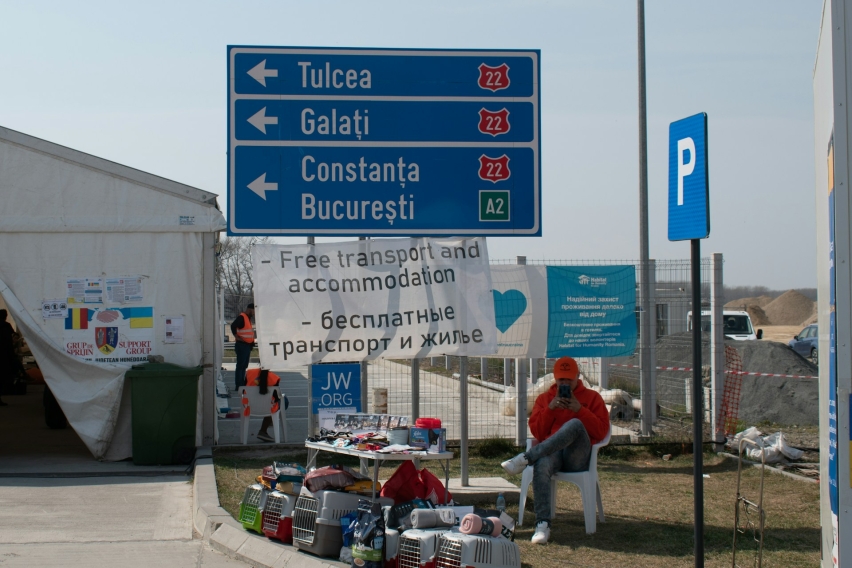
“AIDRom’s work, in many ways, stands for a lot of our member organizations,” Moritz said. “It has been deeply shaped by the response to displacement from Ukraine, by ongoing care for refugees from other countries, and by Romania’s position at the external borders of the European Union.”
The “Mapping Migration” report details a shifting landscape in which migration is not only a social issue but also a transformative force within the church itself. The data shows that diverse congregations and migrant-led ministries are reshaping traditional European church structures.
“Migration work brings churches together in witness,” Moritz said, adding that shared humanitarian challenges often bridge long-standing theological differences. “We are documenting and mapping migration and what churches are doing in their witness and their commitment to migrants and refugees in Europe.”
Moritz described the report as a “mirror” intended to help churches recognize the scope of their own impact while also showing secular society the role of faith-based humanitarian work.
“We are now symbolically handing back the results of that study to the churches in Europe,” he said. “So they can understand what they are doing, and also show it to people outside the churches—how important this witness is, and that other churches should be coming on board.”
With only weeks remaining before the new EU regulations take effect, the CCME is calling for strengthened capacity to respond to anticipated bottlenecks at Europe’s borders.
“We will need to see how we can best strengthen the churches in their witness for migrants and refugees throughout the EU, but also beyond,” Moritz said.