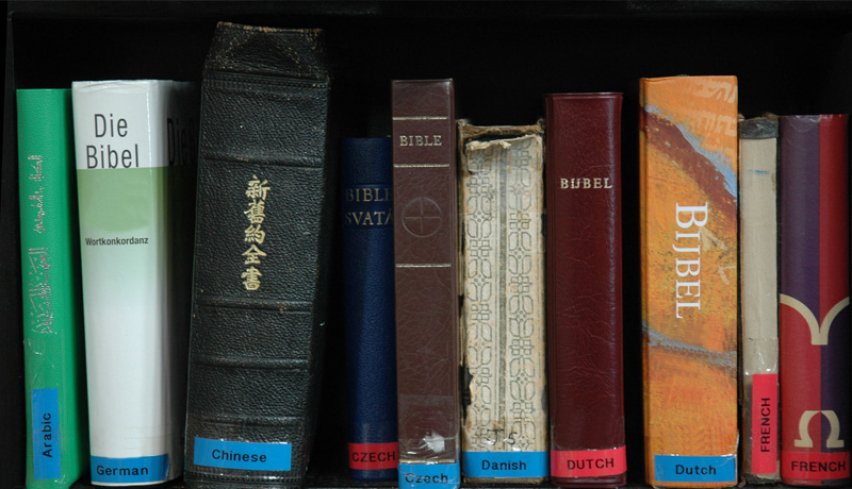
When a woman in a small village in southern Mexico heard verses from the New Testament in her indigenous language for the first time, she turned to the pastor and asked in amazement, “Does God understand Otomí?”
“God understands all the languages of the world,” the pastor replied.
After 25 years of praying in Spanish, she started praying in Otomí—her first, or “heart,” language. For the first time, she felt free to express herself most naturally to the God she loved so dearly. Others in her village of Yaganiza followed, and soon the impact was undeniable.
Within a community that struggled with widespread conflict and a sense of hopelessness, a deep transformation began to take root. Having the word of God in their own language brought peace and unity where there was turmoil, a sense of identity where there was shame, and joy where there was despair.
This is the power of scripture in a language that captures people’s hearts.
This is the power of scripture in a language that captures people’s hearts. Individuals and communities experience healing and wholeness as their language, cultural identity and heritage are connected to their unique place in God’s story.
And it’s by design! God is a deeply personal Creator and Savior. His word is living and active, and, through it, he draws hearts to Him and reminds people—made in his image—of their true purpose.
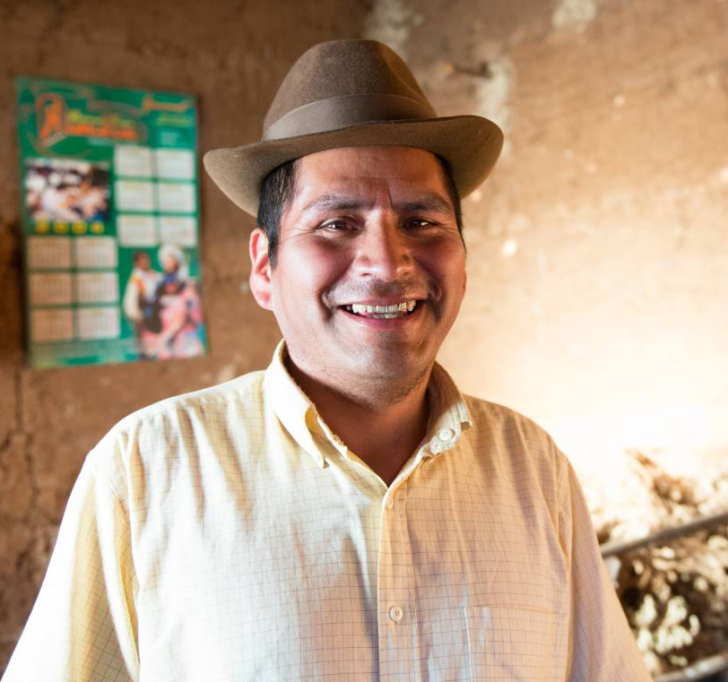
This is exactly what He did for Amador, a man from the Wanca Quechua community of Peru. Quechua speakers are often belittled because they have difficulty pronouncing some of the sounds in Spanish, the majority language used by Peruvians.
“We feel like we’re less than the people around us,” Amador explained. Even the traditional dress that his mother would wear while walking him to school left him feeling embarrassed about his culture and background.
Amador felt like an outsider even at his church. The service, conducted in Spanish, frequently confused him, and he wasn’t the only one. When he considered most of the believers in his community, their grasp of Christian teachings was limited at best.
But one day, Amador had the opportunity to attend another church service with his father, where an elder preached from the word of God in Wanca Quechua. For the first time, he understood the gospel! It changed not only his heart but also the trajectory of his life.
“God has given us our language.”
He went on to join the Wanca Bible translation team, and today he sees his community very differently than he once did. “God has given us our language,” he realized. “We could use that to share the gospel with our own people, and it would reach so much deeper into our minds and into our hearts… The word of God gives us what we need to realize that we’ve all been created equal before God, and we have just as much value as anyone else.”
The word of God in a language and format someone clearly understands—whether spoken, read or signed—reinforces the truth that God knows, loves and understands them intimately. Through it, they gain new ways of seeing God, themselves and their community as a whole. There is nothing else like it.
In the past five years, the pace of Bible translation has accelerated like never before in history.
In the past five years, the pace of Bible translation has accelerated like never before in history. But the work isn’t done. Of the world’s 7,300+ known languages, about 550 still do not have a single verse of scripture, representing 31 million people. These translation needs remain for a reason; they’re the hardest of the hard, whether due to geographical location, political opposition, spiritual oppression, or otherwise.
Yet God’s Church in the U.S. is helping to meet these needs by locking arms with people thousands of miles away and becoming a part of their journey to personally know the God who created them! There are many possibilities for churches to get involved—I urge you to consider how God might be leading your church to participate in this Kingdom work.
We give thanks for the redemptive work that God has already done in lives and communities around the world, and we look ahead with faith and anticipation, trusting that he will continue this work until all have seen and heard of his profound love for them.
Dr. John Chesnut is the President & CEO of Wycliffe Bible Translators USA. He in the pastorate for 13 years before joining Wycliffe in 2001 and moving to the Philippines, serving in a variety of leadership roles with SIL Philippines and SIL International. John received a Master of Divinity and Doctor of Ministry from Denver Seminary.