
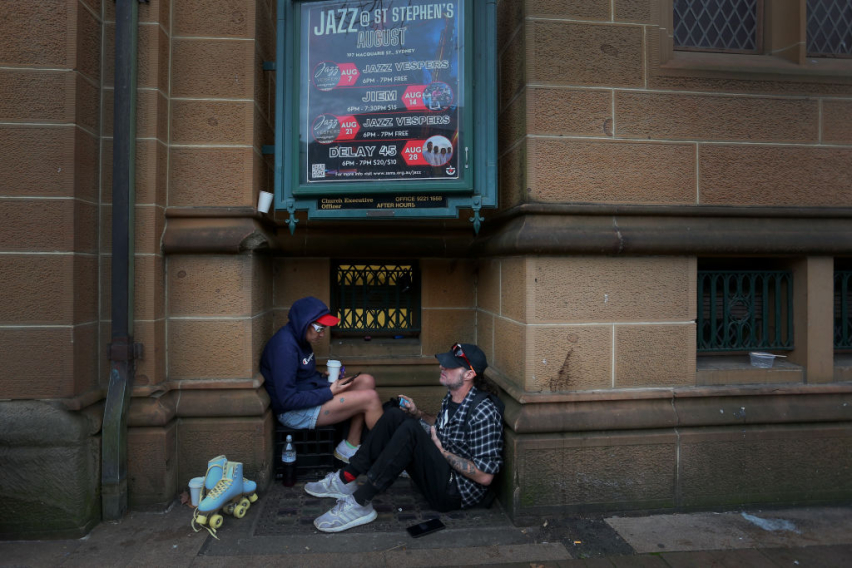
Australia’s worsening housing and homelessness crisis is not inevitable and can be prevented with the right investment and support, a leading Christian charity said Wednesday, responding to a new national report that shows millions remain at risk of losing their homes despite government assistance.
The 2026 Report on Government Services – Housing and homelessness, published by the Productivity Commission on Jan. 29, found worsening housing insecurity across the country, with low-income renters increasingly unable to secure or maintain affordable housing. In response, Mission Australia is urging stronger government action focused on prevention ahead of the federal budget in May.
Ben Carblis, deputy chief executive officer of Mission Australia, said the findings highlight not only the scale of housing insecurity in Australia but also the opportunity to prevent homelessness through early intervention and adequate support.
“This data shows just how difficult it is for people to find and keep a safe, secure and truly affordable home,” Carblis said.
“Even with assistance, many people are being priced out of housing and pushed closer to homelessness. Across Australia, up to 3.2 million people are at risk of losing their home from just one life shock like a rent increase, job loss or eviction.”
The report finds that more than two in five (43%) of low-income renters were experiencing rental stress and were at risk of homelessness in 2024–25, despite receiving Commonwealth Rent Assistance (CRA). It also reveals that one in three people (more than 56,000 people) who needed crisis or longer-term accommodation were unable to receive help from homelessness services due to the shortage of available housing.
Social housing waitlists remain unacceptably high, with more than a quarter of a million households (254,571 applicants) waiting for social housing, including 122,457 in greatest need on priority waitlists, a 12% increase.
Carblis said income supports are not keeping up with housing costs.
“Commonwealth Rent Assistance isn’t keeping pace with rents. When payments fall behind, people fall behind on rent, and that puts them at risk of homelessness,” he said.
“We urgently need the maximum rate of rental assistance increased by at least 60%, alongside a review of rental subsidies so they genuinely reflect housing costs. Increasing JobSeeker and other income support payments to at least $589 a week will also help people cover the basics and stay housed.”
Carblis said homelessness services are under growing pressure, while pathways into stable housing are shrinking.
“Demand for homelessness and housing services continues to rise. In just one year, Mission Australia’s homelessness services saw a 19% increase in demand,” he said.
“Every hour, more than 3,200 people in Australia seek help from homelessness services like those provided by Mission Australia. At the same time, our frontline staff face huge barriers helping people move out of homelessness because there simply aren’t enough affordable homes available."
Carbilis said the evidence shows prevention works.
“Almost all people who accessed our tenancy support services — 98% — were able to stay living in their homes and avoid homelessness,” he said.
“This shows that with a safe, secure home and the right support, delivered at the right time, homelessness can be prevented.”
Carblis also said building new housing must go hand in hand with support.
“At a minimum, one in every ten new homes built should be social or affordable housing. And these homes must be paired with the right support, particularly for people leaving homelessness or with complex needs, so families and individuals can stay housed and rebuild their lives.”
Mission Australia is now calling for stronger action focused on prevention and long-term solutions before the May Federal Budget.
“We need a National Housing and Homelessness Plan that prioritises prevention and stability, not just crisis response,” said Carblis.
“A $500 million AUS ($352,330 USD) Homelessness Prevention Transformation Fund would help people earlier, before rental stress turns into homelessness.”
“While current government commitments are welcome, they don’t yet match the scale of need. Around 640,000 households are currently unable to access affordable housing, and without decisive action this number will grow significantly in the years ahead,” Carblis added.
“Homelessness isn’t inevitable. With the right investment and leadership, Australia can stop homelessness before it starts and make sure everyone has a safe place to call home.”








