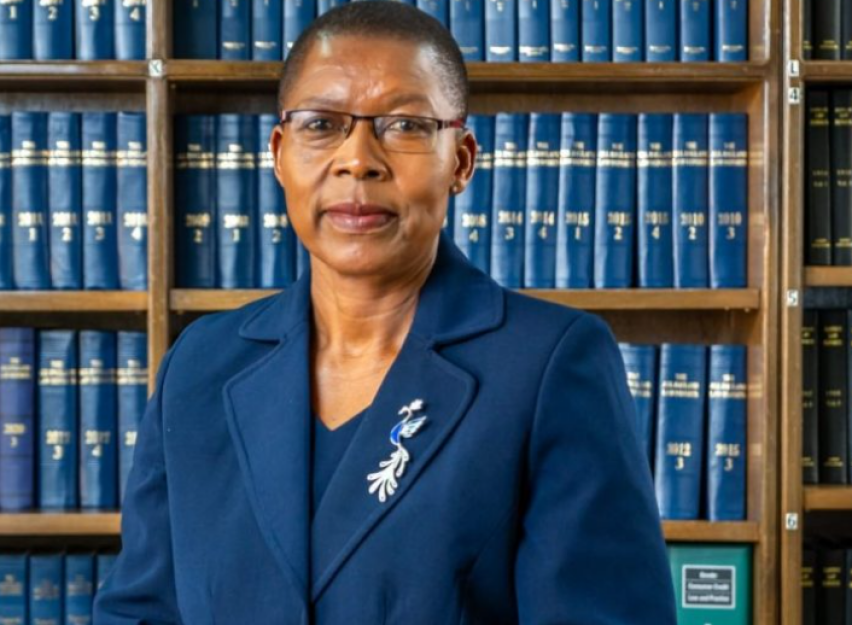
Kenya is registering nearly 60 churches every month, Attorney General Dorcas Oduor has said, as she raised concerns over increasingly bitter disputes within some religious organizations, including leadership contests that she said can become violent.
Oduor made the remarks Thursday, Aug. 27, during a panel discussion at the Kenyatta International Convention Centre in Nairobi.
“At the Office of the Attorney General, we are registering almost 60 churches a month,” Oduor said. “Every time they have elections, they disagree. And elections in churches are more brutal, sometimes fatal; they are very violent, and they still come to us for advice.”
She said some of the disputes brought to her office involve leadership and control of church finances.
The comments put the rapid growth of religious organizations against a longer-running debate in Kenya over how churches should be registered and regulated while preserving the constitutional right to freedom of religion.
The issue has received renewed attention since the 2023 Shakahola tragedy, in which hundreds of followers of self-proclaimed pastor Paul Mackenzie died after following teachings associated with his Good News International Church.
The Senate committee that investigated the deaths found that 429 bodies had been exhumed and recovered from Shakahola by Oct. 13, 2023. The committee was also tasked with examining the proliferation of religious organizations, their registration and compliance status and the country's legal framework for regulating them.
The tragedy was not the first time the government had attempted to strengthen oversight of religious organizations.
In November 2014, the Office of the Attorney General announced a moratorium on the registration of religious societies. According to evidence later submitted to Parliament, the decision followed reports of illegal activities by some religious societies, including alleged extortion, as well as concerns about radicalization among young people in places of worship.
The government subsequently developed draft Societies (Religious Societies) Rules in 2015. The proposed rules were intended to address what the Attorney General's office considered weaknesses in the existing system for registering and overseeing religious organizations.
The proposed regulations faced strong opposition and were eventually abandoned.
The registration moratorium was lifted in June 2022 after the government introduced administrative guidelines and standard operating procedures for religious societies. Those measures were developed in consultation with religious leaders.
Religious studies certification
The new requirements included theological qualifications from recognized institutions, certificates of good conduct and tax compliance or exemption certificates for officials.
Applicants were also required to provide identification documents and tax identification numbers, while founders had to disclose their involvement in other religious societies and obtain recommendations from registered religious organizations in good standing.
The scale of Kenya's religious sector had already presented a significant regulatory challenge.
When officials from the Attorney General's office and the Registrar of Societies appeared before the Senate committee investigating Shakahola in 2023, they said the Societies Registry held records of approximately 100,000 registered societies. About 40,000 were described as religious in nature, including churches, mosques and temples.
The officials told the committee that the registry had received 978 applications for registration of faith-based organizations through the e-Citizen platform after the 2022 lifting of the moratorium. At the time of their submission, only 11 applicants had been issued registration certificates after meeting the requirements.
The government also established a Presidential Taskforce on the Review of the Legal and Regulatory Framework Governing Religious Organizations in May 2023, shortly after the Shakahola deaths came to light.
The taskforce was specifically mandated to review the registration and regulation of religious organizations and consider measures to prevent religious extremism, radicalization, spiritual exploitation and similar abuses. Its terms of reference also recognized that freedom of religion and freedom of association are protected by the Constitution while requiring the state to protect people's lives and welfare.
The Senate committee subsequently recommended a legislative framework for regulating religious organizations and annexed a proposed Religious Organizations Bill to its report. The committee said the existing framework needed to be reviewed in light of the Shakahola tragedy and other concerns surrounding religious organizations.