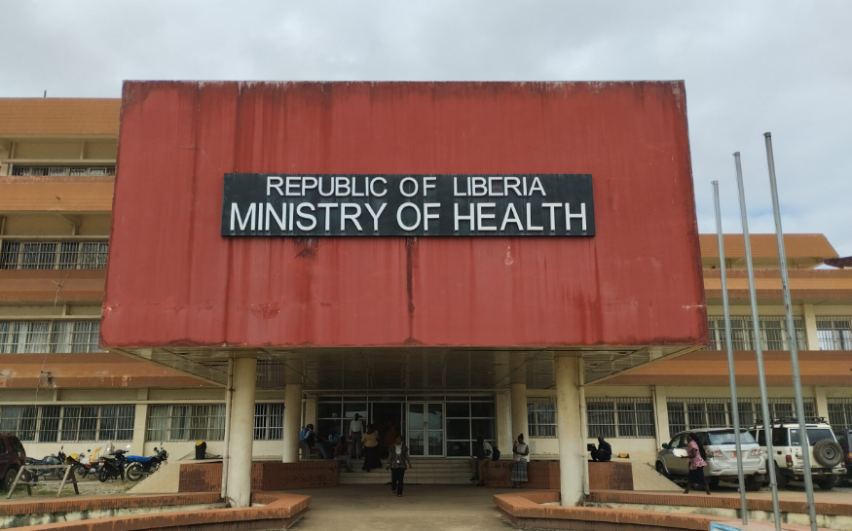
A proposed overhaul of Liberia's public health laws, originally designed to strengthen the country's preparedness for future disease outbreaks, has sparked divisions among Christian leaders over concerns that the legislation could expand access to abortion.
The debate intensified after the Inter-Religious Council of Liberia urged lawmakers to pass the revised Public Health Bill, describing it as a necessary step toward modernizing the country's health system and addressing gaps exposed during the devastating Ebola epidemic more than a decade ago.
In a statement delivered at a June 3 press conference in Monrovia, the council said the legislation would help improve emergency preparedness, disease surveillance and access to essential health services.
"However, what began as a discussion about public health preparedness has evolved into a contentious debate over abortion provisions contained in the legislation."
“The passage of this bill would signify Liberia's commitment to safeguarding the health and well-being of all citizens while addressing pressing public health challenges facing the country,” the council said in a statement read by Rev. Christopher Wleh Toe, general secretary of the Liberia Council of Churches.
The bill seeks to replace portions of Liberia's existing public health framework, which dates back to 1976. Health officials and policy advocates have argued that the law no longer adequately addresses contemporary public health challenges, particularly after the 2014-2016 Ebola outbreak exposed weaknesses in the country's health system.
The Ebola epidemic killed thousands of people across West Africa and overwhelmed health systems in Liberia, Sierra Leone and Guinea. In Liberia, the outbreak prompted calls for reforms to strengthen emergency response mechanisms, disease control measures and coordination among health agencies.
According to reports from Liberia's Ministry of Health, the review of the country's public health laws began in 2018 as part of broader post-Ebola reforms. A revised draft was completed the following year with technical support from the World Health Organization and the U.S. Centers for Disease Control and Prevention.
Supporters of the legislation say it would establish a stronger legal framework for infectious disease control, public health governance and emergency response.
“The proposed law would support access to essential health services, improve preparedness and expand protections for women, children, young people and other vulnerable groups,” the Inter-Religious Council said.
Opposition to the bill
The Catholic Bishops' Conference of Liberia has publicly distanced itself from the Inter-Religious Council's endorsement of the bill, saying it cannot support the legislation in its current form.
In a statement reported by Catholic media outlet ACI Africa, the bishops said they opposed provisions that they believe could permit “justified abortion.”
The bishops urged lawmakers to review and amend the legislation before approving it.
“We cannot support the passage of the Public Health Bill in its entirety,” the Catholic bishops said, arguing that sections of the bill raise serious moral and ethical concerns.
Their intervention has highlighted differing views among Christian leaders on how to balance public health priorities with religious and ethical considerations.
In response to growing controversy, the Inter-Religious Council later issued a clarification, emphasizing that its support for the bill should not be interpreted as support for unrestricted abortion.
According to local media reports, the council reaffirmed its opposition to abortion on demand while maintaining that the broader legislation contains important public health measures needed to strengthen Liberia's healthcare system.
The clarification underscored the delicate position facing faith leaders as they seek to advocate for health reforms while addressing concerns from religious communities.
The dispute could complicate legislative efforts to advance the bill, particularly if lawmakers face pressure from both public health advocates and religious constituencies.
For supporters of the legislation, the central issue remains Liberia's readiness to respond to future health emergencies.
The Inter-Religious Council has repeatedly pointed to lessons learned during the Ebola crisis, arguing that the country cannot afford to rely on outdated legal frameworks when confronting emerging health threats.
“The passage of this bill would signify Liberia's commitment to safeguarding the health and well-being of all citizens,” the council said, reiterating its belief that reform is necessary to protect future generations.
Public health advocates have similarly argued that stronger laws are needed to improve disease surveillance, emergency coordination and access to health services across the country.
Yet the abortion debate has shifted public attention away from those broader reforms and toward the bill's more controversial provisions.
The legislation now sits at the intersection of two powerful concerns: the need to strengthen Liberia's public health system after the lessons of Ebola and the desire among many religious leaders to ensure that healthcare reforms do not conflict with deeply held moral beliefs.