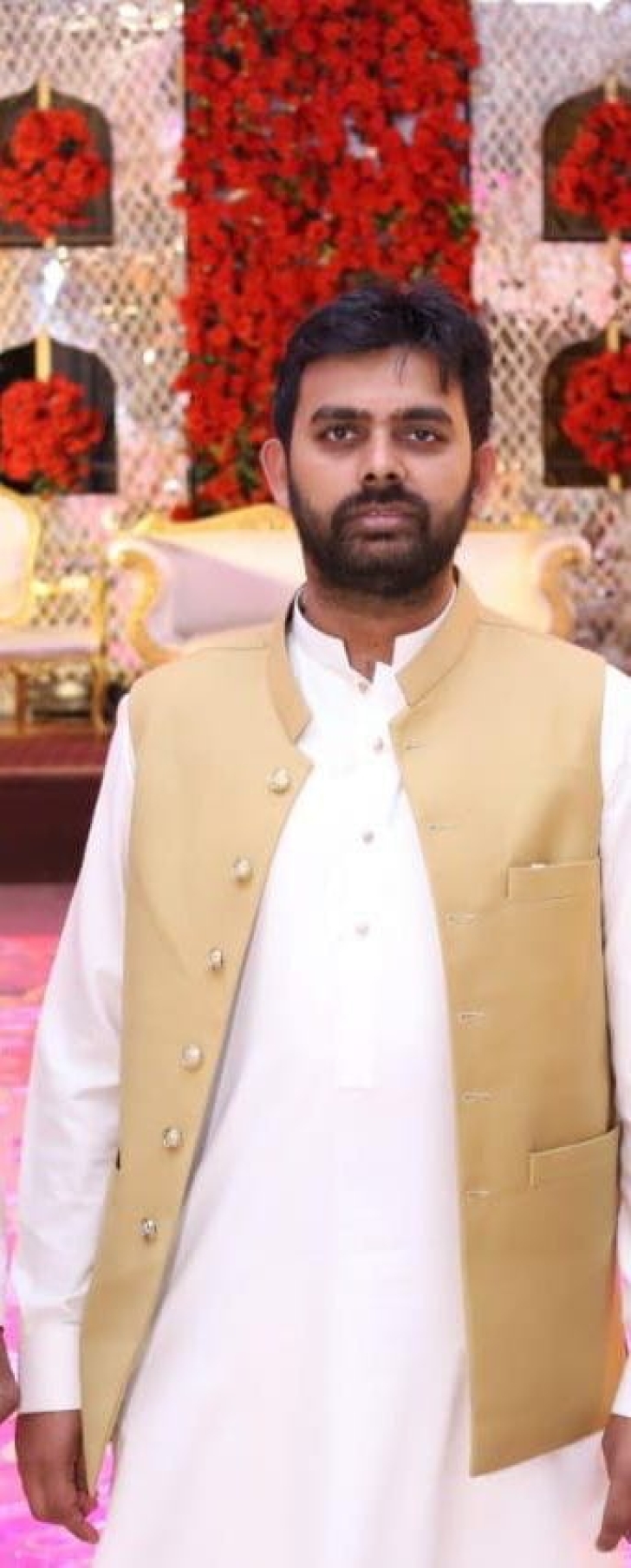
Pakistan’s blasphemy laws are facing renewed criticism as a Christian charged in a high-profile case awaits a verdict that could carry the death penalty.
The case against Ishtiaq Saleem underscores growing concerns about false blasphemy accusations by organized networks and the risks to religious minorities, according to ADF International, a Christian legal advocacy group supporting the accused’s defense through allied lawyers in Pakistan.
“Blasphemy laws create a culture of violence and discrimination and must be repealed,” said Tehmina Arora, director of advocacy for Asia at ADF International, in a press statement. “Ishtiaq must be freed, and Pakistan must move toward a culture that respects and protects religious freedom for all.”
Saleem, a 34-year-old Christian sanitation worker and father from Islamabad, was arrested in November 2022 after being accused of sharing allegedly blasphemous material on social media, which he denies. His trial has concluded, but a verdict is pending as proceedings continue against a Muslim accused in the same case, Muhammad Umair.
Officials from the Federal Investigation Agency’s (FIA) cybercrime unit arrested Saleem after allegedly blasphemous images of Islam’s Prophet Muhammad appeared in a social media group on his phone. Authorities registered a case under multiple provisions of Pakistan’s penal code, including Section 295-C, which carries a mandatory death penalty for insulting Muhammad.
Saleem and his family maintain that he neither created nor shared the content. His father, Saleem Masih, said in a previous interview that his son was unaware of the images, which he believes were posted by another member of a social media group and automatically downloaded to his device.
“My son is a sensible man and has never indulged in such acts,” Masih told Morning Star News in 2023. “He didn’t even know the images were there until his arrest.”
Despite repeated bail applications, Saleem remains in custody. Lower courts as well as the Supreme Court have rejected his petitions, though the apex court directed the trial court to expedite proceedings. The case is now before a special court in Islamabad.
In its statement, ADF International also raised concerns about the integrity of the prosecution, pointing to alleged links between the lead prosecutor and a “blasphemy business group,” a network accused of fabricating allegations to entrap individuals for blackmail and extortion.
A report by Pakistan’s National Commission on Human Rights has documented more than 450 cases believed to be linked to such schemes, contributing to a rise in blasphemy accusations in recent years, the organization noted.
“Organized groups that exploit blasphemy accusations to target innocent people undermine the rule of law and put Christians and other vulnerable communities at grave risk,” Arora said, urging the international community to monitor such cases and push for accountability.
ADF International and its legal partners said they remain hopeful that weaknesses in the prosecution’s case will result in Saleem’s acquittal, allowing him to return to his family.
Pakistan’s blasphemy laws have long been criticized by human rights organizations for their broad scope and vulnerability to abuse. Allegations based on unverified claims or personal disputes have triggered mob violence and, in some cases, killings before courts could reach a verdict.
A rights watchdog recorded 344 new blasphemy cases in Pakistan in 2024, reflecting an escalating misuse of the laws. According to the annual report by the Center for Social Justice, about 70 percent of the accused were Muslims, 6 percent Christians, 9 percent Hindus and 14 percent Ahmadis.
“The blatant weaponization of blasphemy laws continued to enable persecution, religious intolerance and widespread human rights violations,” the report stated.
The same report documented at least 2,793 people accused of blasphemy between 1987 and 2024, with at least 104 killed extrajudicially following such allegations between 1994 and 2024.
In a June 2025 report titled, “A Conspiracy to Grab the Land: Exploiting Pakistan’s Blasphemy Laws for Blackmail and Profit,” Human Rights Watch (HRW) said the laws are frequently used to target religious minorities, settle personal grievances, and, in some cases, seize property.
The report warned that blasphemy accusations can incite mob violence, displace vulnerable communities and foster a climate of fear, particularly among minority groups.
Although courts have occasionally acquitted defendants or granted bail where evidence is found lacking, such outcomes remain relatively rare given the highly sensitive nature of blasphemy allegations in Pakistan.
International advocacy groups continue to rank Pakistan among the countries where religious minorities face significant challenges. In its 2026 World Watch List, Open Doors ranked Pakistan eighth among the 50 countries where it is most difficult to be a Christian.