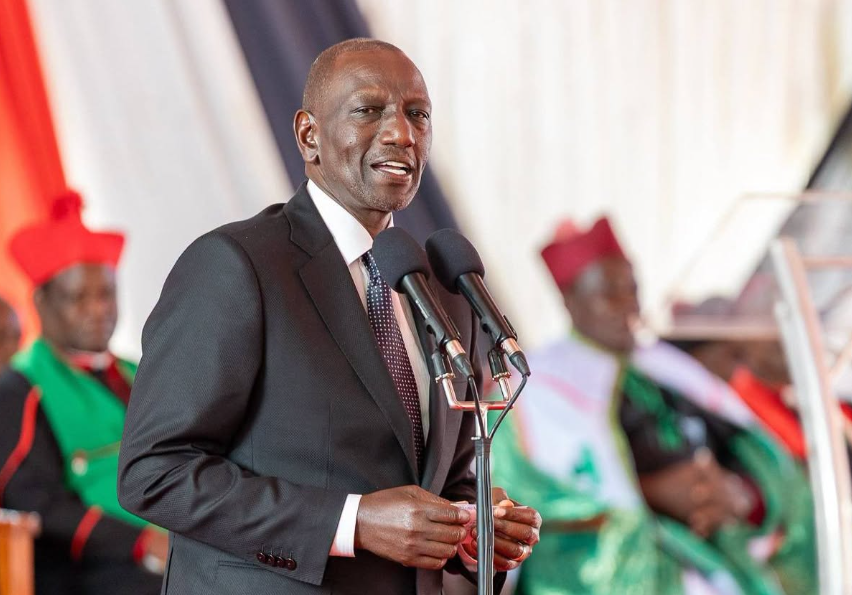
The Kenya Christian Professionals Forum (KCPF) has advised African leaders to adopt the African Family Values Charter to safeguard the sovereignty of countries and maintain a level playing field as they negotiate with development partners.
This comes days after Kenya’s President William Ruto recently warned that some foreign financiers attach political conditions to development funding. Speaking during a public address, Ruto said African countries are increasingly being asked to adopt policies that do not reflect their national priorities as a condition for financial support.
Ruto said African countries have been told to“pass sexuality laws first if you want us to lend you the money,” Ruto was quoted by Citizen TV. He added that Africa should reduce its dependence on external financing and strengthen domestic resource mobilization.
In a statement, KCPF urged the Kenyan government to endorse the Draft African Charter on the Protection of the Family, Sovereignty and Religious and Cultural Values, saying the document would provide a continental framework for protecting the family while safeguarding the independence of African states.
“Kenyans should not be forced to choose between development assistance and fidelity to our Constitution,” the organization said in its statement.
The proposed charter has become one of the most debated policy documents in Africa. Supporters describe it as a declaration of African self-determination. Critics argue it could weaken existing human rights commitments and roll back protections for women and sexual minorities.
The draft charter traces its origins to a gathering of African lawmakers in Entebbe, Uganda, in 2025 before receiving further consideration during the Fourth African Inter-Parliamentary Conference on Family Values and Sovereignty held in Accra, Ghana, in June. Delegates from more than a dozen African countries participated in the conference, where lawmakers called for stronger legal protection of what they described as the natural family and national sovereignty.
The charter states that the family founded on the union of a man and a woman is “the natural and fundamental group unit of society.” It also calls on African governments to preserve religious freedom, protect parental rights, defend national sovereignty and ensure that domestic laws reflect African cultural values.
Supporters argue the proposal is a response an increasing ideological pressure from foreign governments and international organizations.
Reuters reported that participants at the Accra conference said the charter seeks to counter foreign influence over African social policy and legislation. Several lawmakers said African countries should have the freedom to determine their own laws without external pressure.
For KCPF, Ruto's remarks reinforce that message. The organization said the president's comments highlight concerns that many African governments have raised about the relationship between development assistance and national policy choices. It argued that endorsing the charter would strengthen Kenya's constitutional commitment to protecting the family while affirming the country's sovereignty.
The proposal has also attracted significant criticism from legal scholars and human rights organizations.
Rights groups argue that several provisions of the charter conflict with existing African Union human rights instruments, particularly the Maputo Protocol, which promotes women's rights and gender equality across the continent.
According to The Guardian, the draft charter encourages governments to withdraw from agreements that do not align with its principles and rejects concepts such as comprehensive sexuality education and broader definitions of gender.
The debate comes as several African countries continue to review legislation related to family policy and same-sex relationships. While many African governments have resisted international calls to liberalize such laws, there is no publicly available evidence showing that major international lenders formally require countries to enact LGBTQ legislation before receiving loans. Ruto's comments reflect his position on the broader relationship between foreign financing and domestic policymaking.
Kenya has not announced whether it will formally endorse the draft charter.
If adopted by African governments, supporters believe the charter could shape future debates on family law, education, parental rights and national sovereignty across the continent. Opponents, however, say it risks creating legal conflicts with existing regional human rights agreements and could deepen divisions over how Africa balances cultural values with international human rights obligations.