A Christian refugee resettlement expert has criticized a recent BBC investigation into fraudulent asylum claims in the United Kingdom, arguing that the report failed to provide sufficient context about people with legitimate protection needs.
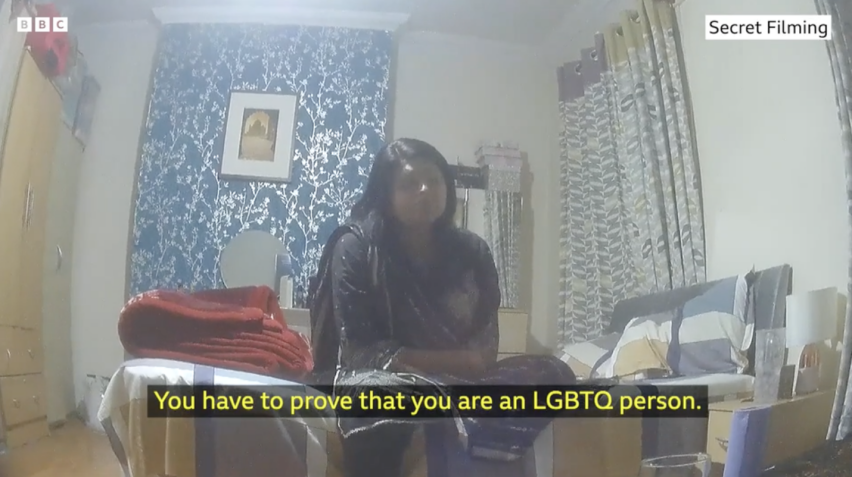
The BBC investigation examined claims that some migrants had fabricated stories — including claims related to homosexuality or domestic abuse — to secure asylum in the U.K. Undercover reporters posing as students from Pakistan and Bangladesh said they uncovered what the broadcaster described as a “shadow industry of law firms and advisors” charging migrants thousands of pounds to help construct false asylum cases.
The report comes amid heightened political scrutiny of migration and asylum policy in the U.K., with Prime Minister Keir Starmer’s government pledging tougher enforcement measures while continuing to present Britain as a refuge for people fleeing persecution.
According to the BBC, advisors allegedly coached migrants on student, work and tourist visas to create evidence supporting false claims, including letters, photographs and medical reports. The broadcaster said this category of applicants accounted for 35% of asylum claims filed through legal routes in 2025, when about 100,000 people sought asylum.
“They then apply for asylum claiming to be gay and in fear for their lives if they return to Pakistan or Bangladesh,” the BBC reported, noting that homosexuality remains illegal in those countries.
A spokesman for the prime minister said the government would hold accountable anyone found to be abusing the immigration system.
Krish Kandiah, founder and CEO of the Sanctuary Foundation and a Christian media commentator focused on refugee issues, challenged several aspects of the BBC’s reporting in a social media post.
“Abusing the asylum system causes real harm — to public trust and to the genuinely vulnerable people it exists to protect,” Kandiah wrote. “That abuse deserves robust reporting. But good journalism requires context, and this report lacked almost all of it.”
Kandiah questioned the BBC’s use of the figure stating that 35% of asylum claimants had entered the country legally.
“A number without a denominator tells you almost nothing,” he wrote.
“How many people are we actually talking about? What proportion of all claims? Without that, 35% is either a crisis or a footnote, and we have no way of knowing which.”
He also criticized the report for not referencing people with legitimate asylum claims.
“The report focused entirely on those allegedly fabricating claims,” Kandiah wrote. “It said nothing about the people who are exactly who they say they are — LGBT people facing persecution in Pakistan and Bangladesh, converts from Islam facing genuine threats, and atheists in countries where apostasy is a criminal offense. The system exists for these people, yet the BBC edited them out entirely.”
Kandiah argued that reporting focused exclusively on fraudulent cases risked distorting public understanding of asylum seekers more broadly.
“If the BBC ran a report solely about fraudulent transgender claims without mentioning genuine trans hardship, the public would rightly call it dangerous framing,” he wrote.
“The same principle applies here. I’m not asking the BBC to suppress difficult stories. I’m asking it to be the BBC — to inform, not just inflame. A formal review of whether its own journalism standards were met seems entirely warranted.”
Migration policy has become an increasingly prominent issue for the British government in recent months.
On April 17, the U.K. government said Starmer met French President Emmanuel Macron in Paris to discuss migration and border enforcement.
“The Prime Minister and President agreed on the need to continue momentum to drive down illegal crossings between France and the UK,” the government said in a statement.
In a separate March 5 update, the Home Office said asylum seekers who break the law, work illegally or become financially self-sufficient could lose government accommodation and support.
“Britain will always provide refuge to people fleeing war and persecution,” Home Secretary Shabana Mahmood said. “But taxpayers cannot fund the lives of those who exploit the system or break our rules. Asylum support and accommodation now become conditional — reserved only for those who play by our rules.”