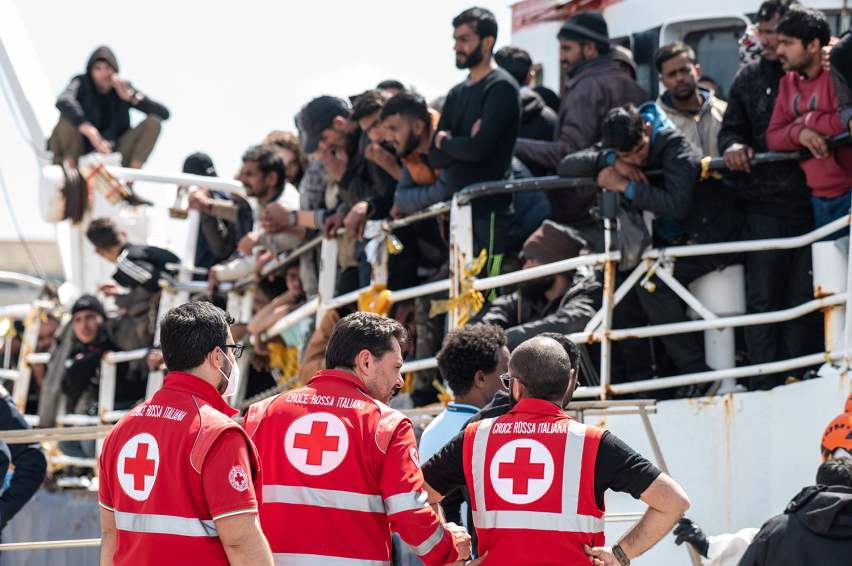
A coalition of German church and humanitarian organizations marked the 75th anniversary of the 1951 Geneva Refugee Convention by calling on governments worldwide to reverse what they describe as a dangerous erosion of refugee protections — and urging Berlin to stop offloading responsibility onto poorer nations.
Diakonie Deutschland, Bread for the World, and Diakonie Disaster Relief issued the appeal around World Refugee Day on June 20, warning in a joint statement of mounting political pressure against refugees in Germany, across Europe, and globally. The organizations are among more than 275 groups that have signed a memorandum titled "It Can Be Done Differently!" calling for stronger refugee protections grounded in international human rights law.
Diakonie President Rüdiger Schuch pointed to a series of recent policy shifts in Germany and the European Union he said have weakened protections that the convention was designed to guarantee. Among the concerns cited in the organizations' June 19 statement: tightening of European asylum rules, pushbacks at internal EU borders, restrictions on family reunification, and cuts to integration programs and independent asylum counseling services.
"We are convinced: refugee protection based on solidarity and fundamental and human rights strengthens us as a society as a whole," Schuch said.
Dagmar Pruin, president of both Bread for the World and Diakonie Disaster Relief, said partner organizations working in refugee camps are facing growing pressure, while financial support for refugee protection internationally is shrinking. She called on Germany to make a firm commitment to global refugee protection rather than shifting the burden to countries of the Global South, which already host the vast majority of the world's displaced people.
The memorandum, published in June 2026, lays out an ambitious five-point vision covering global protection frameworks, safe and legal routes for asylum-seekers, fair procedures, social rights, and civic participation. It calls for universal ratification of the Geneva Convention, a global fund for refugee protection, state-led sea rescue operations in the Mediterranean, and the abolition of deportations from protected spaces such as schools and hospitals.
Counselors and social workers quoted in the document describe refugees arriving after years of dangerous journeys, many bearing physical injuries sustained at European border crossings. The memorandum says deportations — often carried out without warning, in the middle of the night — cause lasting trauma not only for those directly affected but for other residents of reception facilities and staff who witness them.
The signatories include Amnesty International Germany, the Protestant relief agency Diakonie, PRO ASYL, Handicap International, the Evangelical Church in Germany, and dozens of regional church bodies and local civil society groups across Germany.
The memorandum's authors say the convention's founding promise — that persecution does not override an individual's right to safety and dignity — remains achievable. "A refugee protection system that meets this standard is possible," the document states, according to the memorandum. "What must be strengthened is what holds us together as a society: solidarity, mutual respect, and the willingness to put what we share above what divides us."