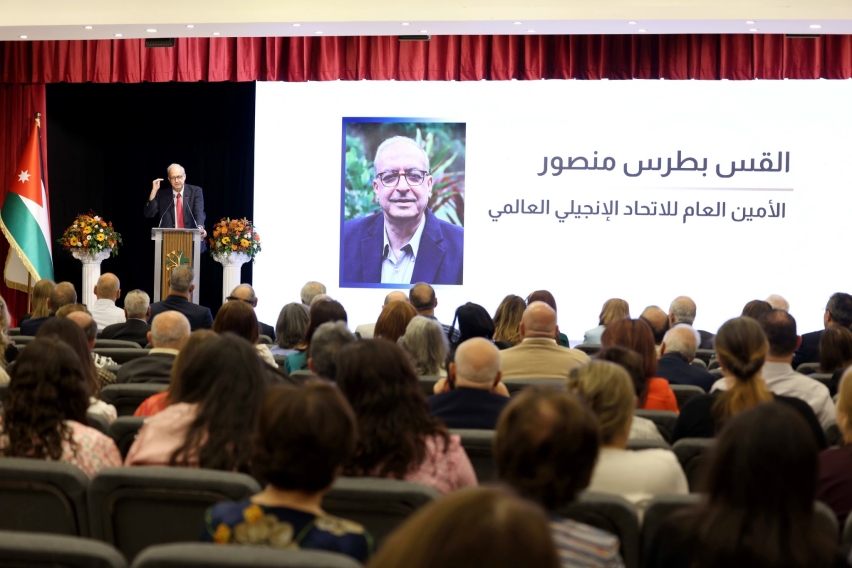
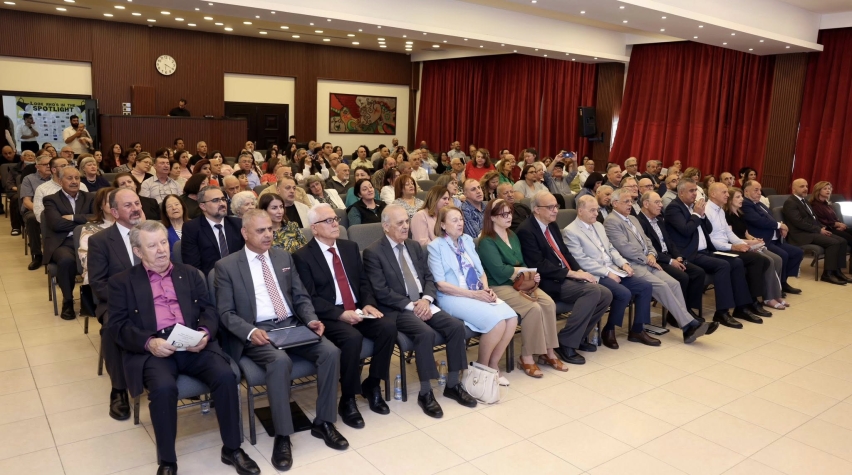
Churches and faith communities gathered at the Amman Baptist School on May 29 to mark a century of organized evangelical ministry in Jordan, with the World Evangelical Alliance's secretary general using the occasion to call on Arab leaders to build ties with the global evangelical movement.
The centennial celebration, organized by the Jordan Baptist Convention, featured the launch of a second edition of a book documenting the period, along with a documentary, speeches and testimonies from national church leaders.
WEA Secretary General Rev. Botrus Mansour attended the event and later paid a courtesy visit to Jordanian Prince Ghazi Bin Muhammad, religious affairs advisor to King Abdullah II, and the head of the Baptismal Committee. Joining Mansour for the meeting was Rev. Dr. Jack Sara, head of the WEA's MENA alliance.
The centennial marked 100 years of evangelical work in education, healthcare, humanitarian relief and community outreach carried out by Jordanian evangelical communities with local churches and international partners.
A documentary titled "A Glimpse" traced the history of the evangelical movement in Jordan. Leaders said evangelical work in Jordan has grown through cooperation with the state and civil society, preserving religious liberty even amid regional challenges.
Rev. Nabeeh Abbasi, head of the Jordanian Baptist Church, said: "We celebrate this 100-year milestone as a testament to seeds sown through faith, prayer, and sacrifice, bearing fruit across generations."
Emad Mayyah, a leader within the Evangelical complex, spoke about the movement's inclusive approach and its role in fostering peace, education, healthcare and charity. Pastor Bashar Nimat of the Evangelical Alliance cited the church's humanitarian work, including medical care, refugee relief and psychological support, highlighting the church’s role as a “beacon of love and giving.”
Mansour praised King Abdullah's leadership and noted the approaching celebrations marking the bimillennial of the baptism of Jesus at the Jordan River baptismal site. He said the WEA stands ready "to contribute to encouraging Evangelical Christian pilgrimage to Jordan."
He also used the occasion to press Arab leaders for greater engagement with evangelicals worldwide.
"I call on Arab leaders in general — and the Hashemite leadership in particular — to seize the opportunity presented by the presence of a Palestinian Evangelical figure in this position to build bridges with the vast, global Evangelical Church, whose influence is growing day by day," Mansour said.
Noting that the WEA marks its 180th anniversary this year, Mansour described the structural character of the evangelical movement, explaining that it operates through voluntary cooperation among churches with shared faith rather than through a centralized hierarchy. He added that openness and equality in matters of faith confession are fundamental to the health of evangelical life and its witness in the public square.
Mansour reiterated to the Jordanian audience that the evangelical movement's impact grows when churches act as partners rather than competitors, reinforcing a spirit of unity through practical service to society.
"This centennial should renew commitment to education, healthcare, relief, and social programs that reflect gospel values in action, within a framework of religious liberty and civic harmony," he said. He also urged ongoing dialogue with civil society and the state to safeguard freedom of conscience and the right to worship freely across Jordan.
The centennial also reaffirmed the WEA's role in connecting Jordan's evangelical communities to a global network of partners in education, health, relief and development. Organizers announced plans to sustain momentum through regional initiatives, leadership development and expanded social outreach across the kingdom.
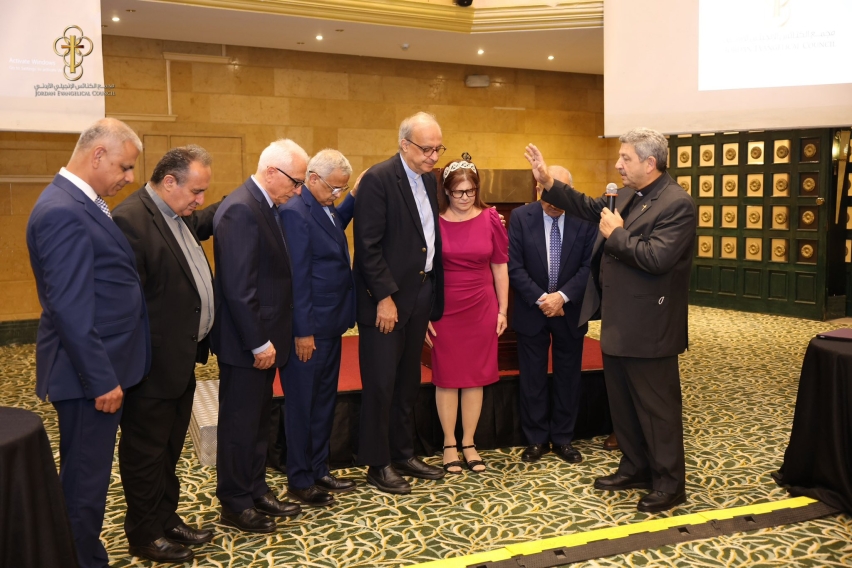
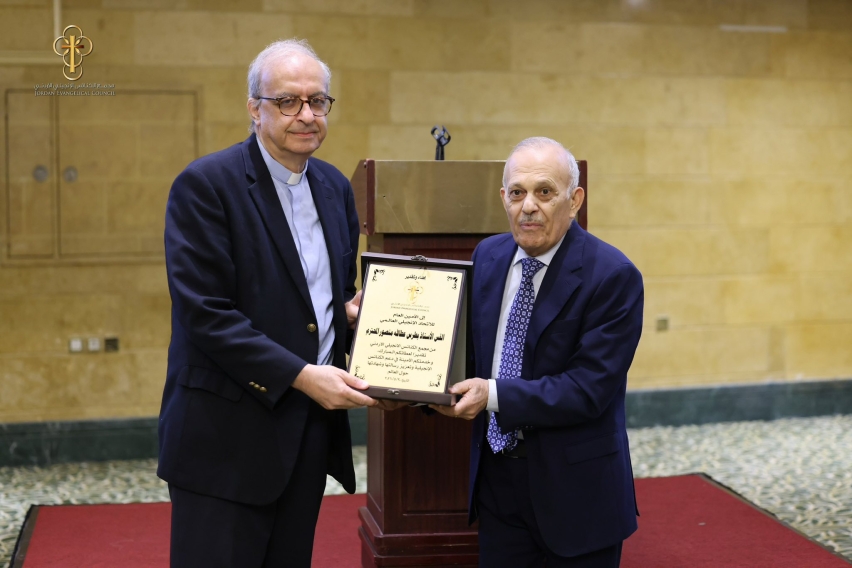
Mansour was honored separately the following day at an event held by the Jordan Evangelical Council.