A team led by Níall McLaughlin Architects has been selected to design a new museum dedicated to the history and theological significance of Christian baptism at Bethany Beyond the Jordan, the site widely recognized as the place where Jesus was baptized.
The Foundation for the Development of the Lands Adjacent to the Baptism Site announced Feb. 10 that the London-based practice won an international design competition for the Museum of Jesus’ Baptism. The site, located on the east bank of the Jordan River, is a UNESCO World Heritage site and one of Christianity’s most significant pilgrimage destinations.
The museum is scheduled to open in 2030 to coincide with the bimillennial of Christ’s baptism. As previously reported by Christian Daily International, Jordan has accelerated preparations for the anniversary, positioning the project within a broader national effort to develop the Baptism Development Zone and accommodate anticipated growth in pilgrimage and cultural tourism.
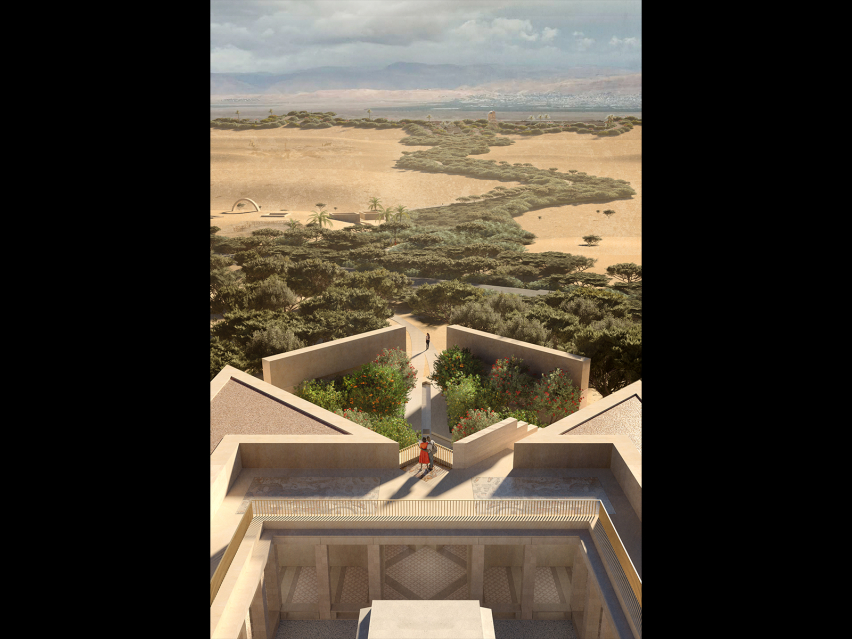
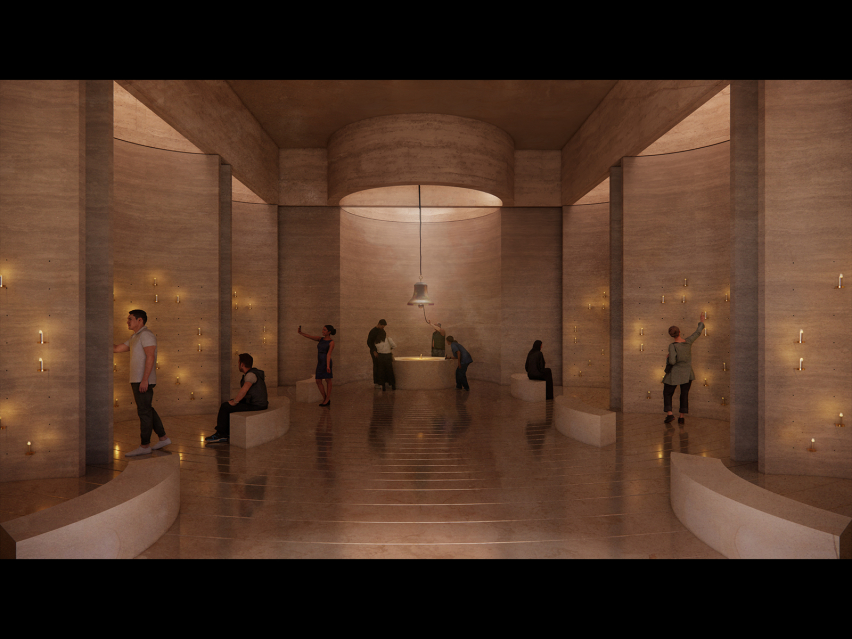
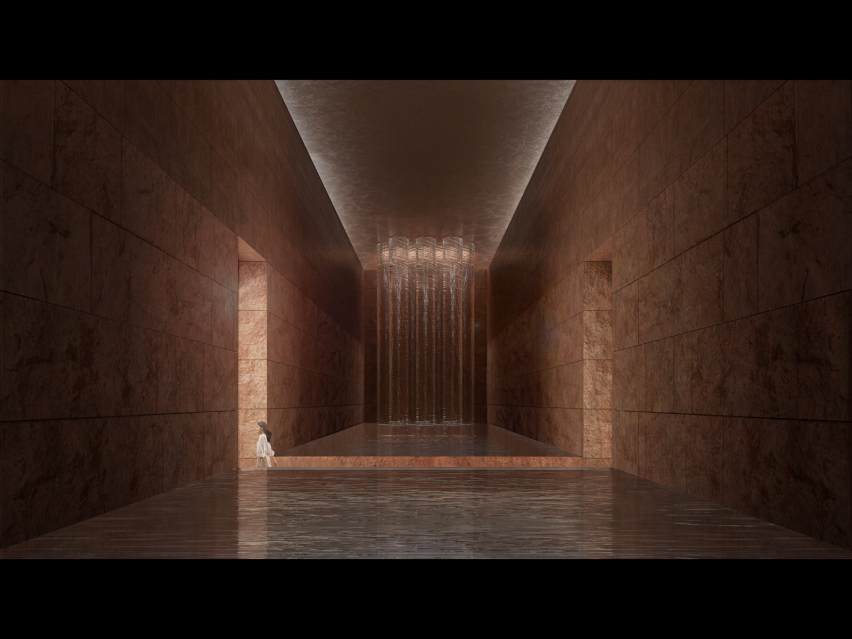
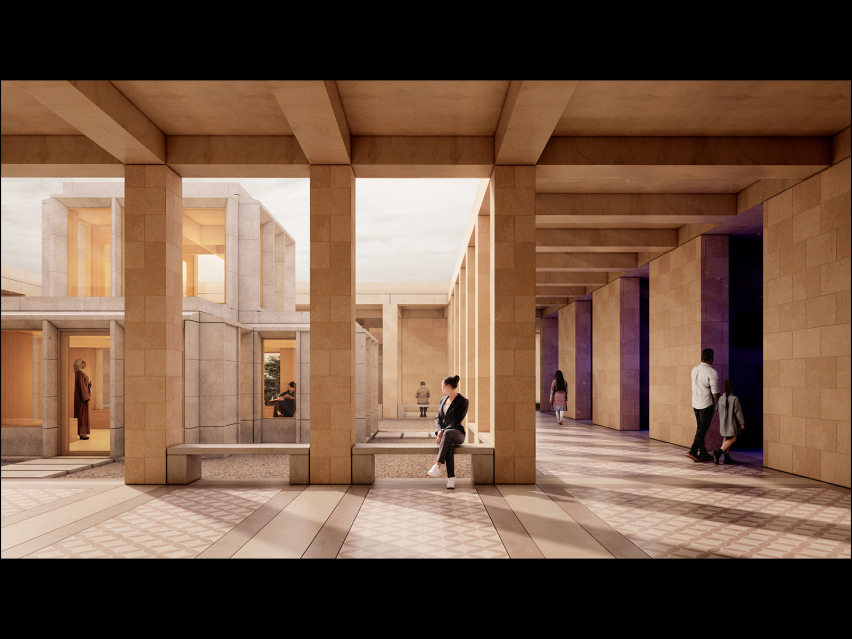
According to competition organizers, the winning concept presents the museum as an architectural journey oriented along an east-west axis. Visitors would enter through an arid wilderness garden, descend into the earth, encounter a water-filled rift symbolizing the Jordan River, and then re-emerge into a garden space aligned with the pilgrimage route to the river itself. A stepped landscape would rise to the roof, offering views across the Jordan Valley.
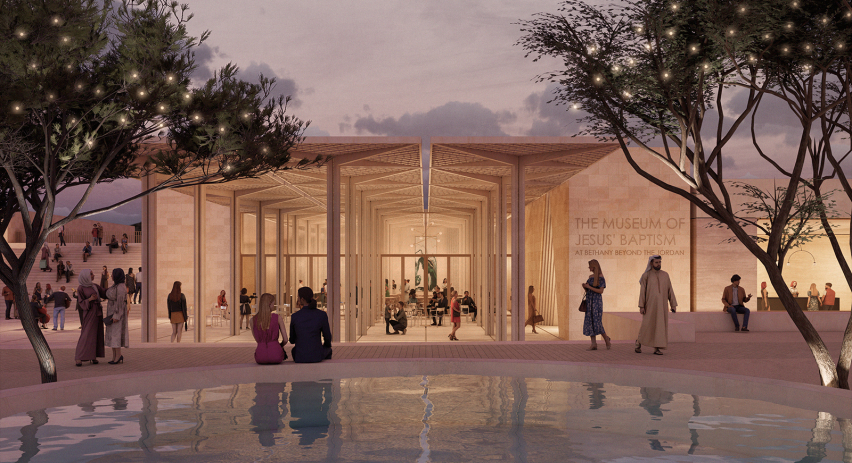
Organizers said the proposal stood out for its layered narrative approach and sensitivity to the site.
Dr. Tharwat Almasalha, chair of the Foundation’s board and of the competition’s advisory panel, said the design “excels in telling the story of baptism — highlighting its power to offer spiritual renewal and new life.”
He added that the proposal “responds sensitively to the luminous setting in the wilderness and the adjacent UNESCO site,” describing the structure as modest in size but resonant in meaning.
The design incorporates locally sourced stone and rammed earth construction techniques inspired by Jordan’s vernacular architecture. The building is intended to sit low within the landscape, minimizing visual impact near the protected archaeological zone. The broader design team includes Kim Wilkie Landscape, Nissen Richards Studio for exhibition design, local consultant Engicon and engineering firm Arup.
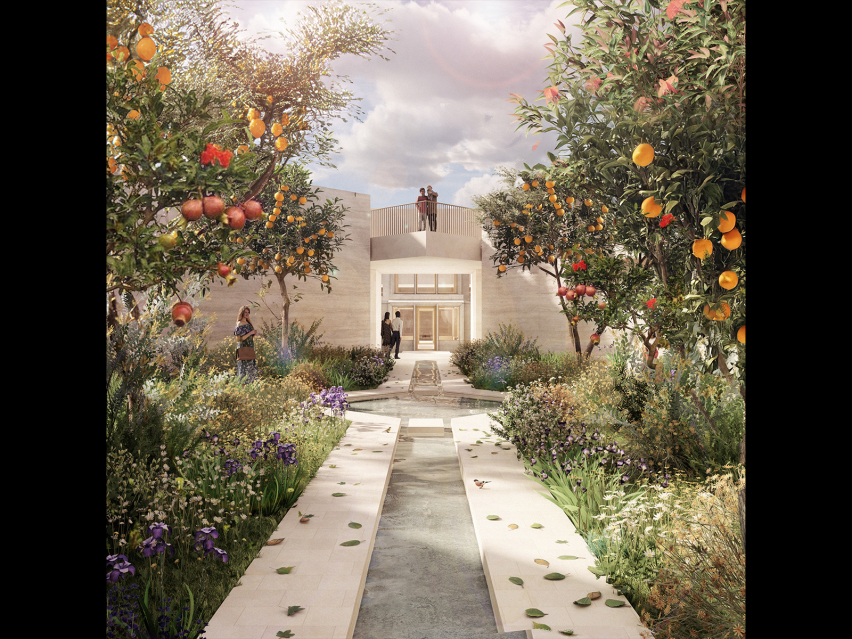
Níall McLaughlin, principal of the firm, said the architectural challenge was to create a structure capable of mediating between the landscape and the sacred narrative associated with it.
“The challenge of the design was to find a way to allow the architecture to mediate between a charged landscape and the sacred narratives that arose within it,” McLaughlin said in a statement. “It demanded a building that could work with allegory.”
He said the project also sought to prioritize local labor, materials and environmentally responsive construction methods.
The invited competition, managed by Malcolm Reading Consultants, lasted six months and included seven shortlisted international firms. An advisory panel of architects, heritage specialists and museum leaders interviewed finalists before recommending the winning team to the Foundation’s board.
The museum will serve as the anchor project within the wider Baptism Development Zone master plan, inaugurated in 2022 under the patronage of King Abdullah II. The Foundation estimates the museum could attract between 400,000 and 450,000 visitors annually, based on current tourism trends and projected growth linked to the 2030 anniversary.
Bethany Beyond the Jordan, also known as Al-Maghtas, has been venerated by Christians for centuries as the site described in the New Testament where John the Baptist baptized Jesus, marking the beginning of his public ministry. The new museum is intended to function as a gateway to the pilgrimage path leading to the river, offering historical context and interpretive exhibits before visitors approach the baptismal site itself.
Development of the design will proceed in coordination with UNESCO guidelines to ensure protection of the World Heritage landscape and archaeological remains.