
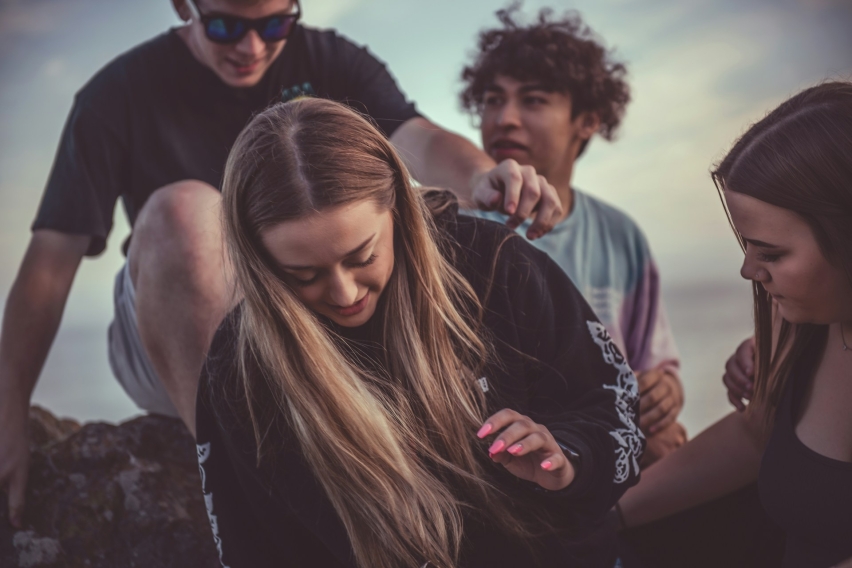
Mission Australia’s Youth Survey is marking 25 years of gathering the views of young people by inviting those ages 14 to 19 to “come to the party” and participate in the 2026 survey.
The survey opens today (March 19) and allows young people to share their hopes, views and concerns, according to the ministry.
Last year, more than 17,000 young people completed the survey, identifying cost of living (64%), mental health (29%), climate change and the environment (27%) and housing and homelessness (25%) as the top issues facing Australia.
This year’s survey will ask some new questions, including, “What’s one thing that could be changed in your neighborhood to make your life better?”, as well as young people’s opinions on barriers to participating in community events and the widely discussed social media ban.
Mission Australia deputy chief executive officer Ben Carblis said the Youth Survey provided crucial insights into what young people were thinking and feeling.
“For a quarter of a century, Youth Survey has given young Australians an outlet in which to not only communicate their concerns, but suggest changes they want to see,” he said.
“During that time, more than 500,000 surveys have been completed, and while fashion trends might have come full circle, young people’s responses have not.”
In the early years of the Youth Survey, responses to questions about key concerns showed a shift from issues such as alcohol and other drugs, family conflict and body image to coping with stress, school or study problems and mental health.
When the national issues question was added to the Youth Survey in 2010, the top issues included alcohol and other drugs, population or societal issues and equity and discrimination, while recent concerns focus on the environment, cost of living and mental health.
“In more recent years, we’ve seen young people primarily shift from concerns about the environment to focusing more on housing and cost of living,” Carblis said.
“Last year, cost of living was the top concern for the second year in a row and at the highest level since the question was first asked in 2010.”
Results of the survey will be published in November 2026 and shared with government, non-government organizations, schools and the public.
Carblis urged schools, community groups, local councils and families to “spread the word” and encourage young people to take part in the survey.
“For 25 years, Youth Survey data has been used by a range of decision-makers and stakeholders to inform policies and the development of programs and services that impact young people,” he said.
“We want as many young people as possible to participate in the survey, so we can make sure we are hearing from young people from a range of backgrounds and experiences across the country.”
Youth Survey 2026 is open from March 19 to Aug. 14 and takes about 20 minutes to complete.
The survey can be completed online through participating schools or groups, or individually via Mission Australia’s website.








