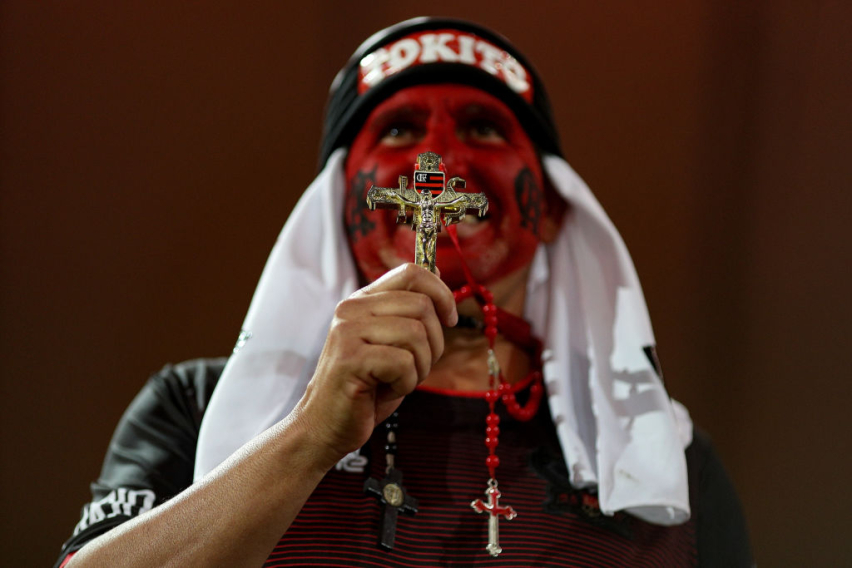
Devotion to soccer teams in the region has moved beyond entertainment and into the spiritual realm. In Latin America, continent historically shaped by faith, some people have shifted their primary sense of community and identity from religious institutions to sports, according to an extensive report by The Associated Press (AP). This social reality reflects a deep human need for belonging and hope during difficult times.
For many fans, stadiums have become places where they experience a powerful sense of community. This emotional connection creates a deeply rooted collective identity that can resemble the role traditionally played by religious communities.
“Anyone can support a team, but the sense of unity created by communitas — a term often associated with religion — only happens when people come together,” said anthropologist Eloísa Martín.
Sport has become a refuge for those seeking companionship and purpose in their daily lives. One example is Adilvania Santos, a longtime supporter of the Brazilian club Fluminense, who finds comfort and connection there.
“Some people gather to go to church. For us, supporting Fluminense is also sacred,” the young fan said.
The debate over sports devotion and idolatry
From a Christian perspective, this level of devotion reflects how some believers view the human desire for worship and meaning. Some fans engage in rituals and superstitions in an attempt to influence the outcome of games.
In this process of extreme devotion, sports figures can become idolized by crowds. Some Christian leaders view this as a practice that can take the place of worship that belongs to God.
The case of late Argentine soccer star Diego Maradona is a striking example of widespread veneration that some Christian observers criticize as conflicting with biblical principles.
In other countries, such as Chile, some fans also elevate their heroes to an almost divine status. Referring to the founder of the Colo-Colo club, fan Héctor Hermosilla said: “He is like our God. He is the one who guides us.”
The challenge for the modern church
This cultural phenomenon presents a significant challenge for church leaders throughout Latin America. The need for meaning, belonging and community that many people seek in the stands must also be addressed by churches rooted in Scripture.
For Christians, the gospel offers an unshakable identity capable of satisfying the human heart, far surpassing any temporary joy that a victory on the field can bring.
Originally published by Diario Cristiano, Christian Daily International's Spanish edition.