

Several weeks after Cyclone Ditwah devastated large parts of Sri Lanka, the immediate emergency phase has eased in some areas, but the humanitarian crisis remains severe for hundreds of thousands of families who lost homes, livelihoods and basic possessions, according to the National Christian Evangelical Alliance of Sri Lanka.
Mike Gabriel, speaking on behalf of the NCEASL relief team, told Christian Daily International that recovery challenges are now intensifying as floodwaters recede and families confront long-term displacement, damaged housing, rising debt, disrupted schooling and deep emotional trauma.
Around 2.3 million people were affected by the cyclone, with more than 272,000 displaced and over 107,000 homes damaged, including nearly 5,600 that were fully destroyed, Gabriel said. More than 800 people are confirmed dead or still missing. Christian Daily International previously reported about the cyclone and the emergency aid appeal launched by churches in the immediate aftermath.
Daily life remains fragile for many
“The crisis is far from over,” Gabriel said, noting that daily life remains fragile for many families weeks after the disaster.
The impact of Cyclone Ditwah was felt nationwide, with NCEASL responding in 22 districts across the Northern, Eastern, Uva, Central and Western provinces. Gabriel said the most vulnerable communities include families already living in poverty, those in remote or minority areas, and households dependent on daily wages or small-scale livelihoods.
In the days immediately following the floods, survival was the priority, with urgent needs including food, drinking water, hygiene supplies, medicines, temporary shelter and evacuation assistance.
Several weeks on, many families have returned home, but Gabriel said large numbers of houses remain unsafe, with leaking roofs, unstable walls and damaged sanitation systems. As a result, the focus has shifted from emergency survival to rebuilding.
While the government has carried out general relief efforts — including restoring roads and bridges, assisting children’s return to school and providing some support to families who lost homes — Gabriel said significant gaps remain given the scale of the disaster.j
Need have become more complex
Current needs include repairing and rehabilitating homes, restoring livelihoods, improving water and sanitation conditions, helping children resume education and addressing psychosocial stress caused by prolonged uncertainty and loss.
“These needs are more complex than in the immediate aftermath,” Gabriel said, adding that emotional and mental health challenges are becoming increasingly visible.
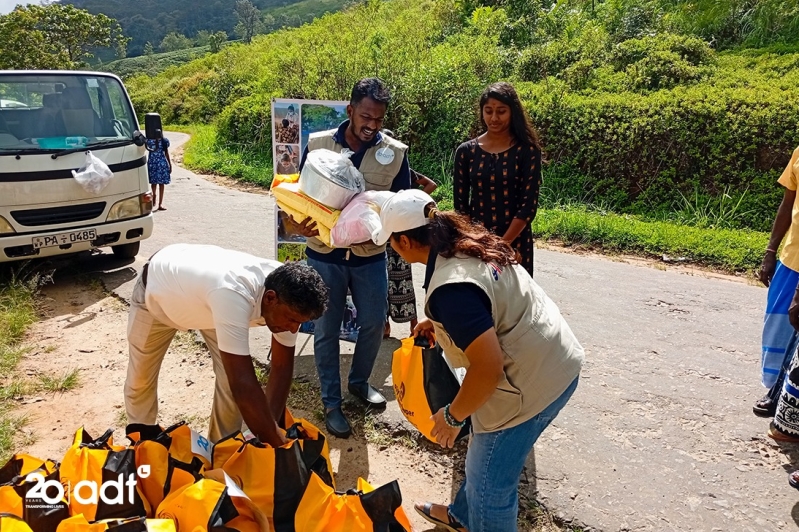
NCEASL has provided emergency assistance to more than 21,000 individuals in the wider community and over 700 Christian families across the affected districts as of January 2026. Support has included cooked meals, dry rations, clothing, hygiene items, essential medicines, cooking utensils, medical camps and community clean-up efforts.
The response is now transitioning from relief to recovery, with a growing emphasis on restarting livelihoods and providing targeted support for the most vulnerable households, including women-headed families, the elderly, people with disabilities and those in remote areas.
Churches and pastors continue to play a central role, Gabriel said, often supporting their communities while recovering from their own losses.
Recovery, Gabriel said, means families moving from temporary coping to safe and stable shelter, regaining predictable income and restoring daily routines, including children returning to school.
Some households may stabilize within weeks or months, but families whose homes were fully destroyed or livelihoods wiped out may need many months — or more than a year — to recover, particularly in areas where poverty existed before the cyclone.
Stories of hope amid loss
Despite the hardship, Gabriel shared accounts of resilience and hope.
In Ampara, a pastor living in extreme poverty shared what little his family had with others until nothing remained. When roads reopened, NCEASL delivered dry rations to his household at a critical moment, allowing him to continue serving his community.
In Jaffna’s Kayts area, a volunteer Christianity teacher whose poultry-based livelihood was destroyed by floods received food assistance after NCEASL staff waded through floodwaters to reach her when aid had not yet arrived.
In another Ampara community, a pastor whose home was damaged and who suffered injuries during repairs testified to God’s protection after receiving relief support and encouragement.
Gabriel asked for continued prayer for families still displaced, those whose homes were fully destroyed and daily-wage workers struggling to rebuild livelihoods. He also urged prayer for protection from disease, improved sanitation and strength for pastors and churches responding to the crisis.
“Recovery will take time,” he said, “and communities need endurance, compassion and hope as the journey continues.”


