A seasonal push for spring cleaning may be more than a household task, some Christian leaders in Switzerland say. They argue that decluttering physical spaces can also lead to spiritual renewal, according to a report published by Dienstagsmail.
As longer days and warmer weather mark the arrival of spring, pastors and Christian speakers in Switzerland are encouraging believers to view organizing and disposing of possessions as a practice that mirrors deeper spiritual disciplines, including repentance and forgiveness.
“Clearing out and disposing of things creates new space in life,” the report noted, adding that the process of letting go can bring “lightness” not only to the home but also to the soul.
The theme was highlighted during a recent gathering of about 120 women at a church hall in Wyssachen, where organizing coach Michelle Schmidig shared practical and spiritual insights on decluttering. Schmidig, who has been guiding individuals through organizing processes since 2019, emphasized that order is not only about physical surroundings but also about inner clarity.
“Order is also a good place for oneself,” she said. “Through tidying up, clarity and order can also be created in the soul.”
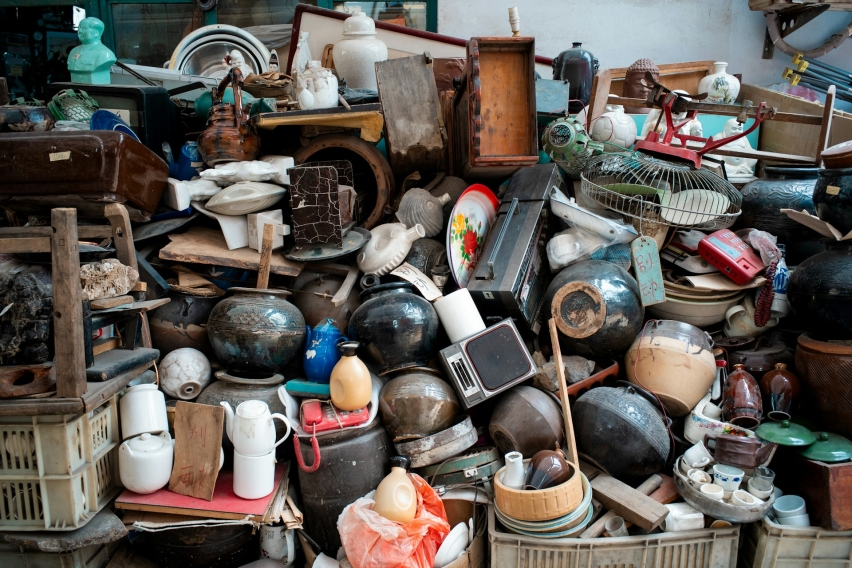
The report cited estimates that an average Swiss household contains around 10,000 items, illustrating just how many things can accumulate in people's homes over time. Schmidig encouraged participants to begin with simple questions when sorting possessions — such as whether an item is loved, needed or understood in purpose — before moving on to reorganizing their spaces.
She also cautioned against starting with emotionally charged belongings, such as keepsakes stored in attics, recommending instead that people begin with more neutral areas like bathrooms or medicine cabinets.
The difficulty of letting go, she noted, often lies in the emotional attachments tied to possessions rather than their practical value.
Pastor Lukas Huber, also cited in the Dienstagsmail report, connected the act of decluttering with a sense of personal and spiritual relief. He described a recurring feeling of “lightness” when disposing of accumulated items, saying the sense of release grows with each bag taken away.
Disorder, he said, can take many forms beyond physical clutter, including unfinished tasks, unwanted gifts, and lingering emotional burdens.
To address this, both Huber and Schmidig pointed to the importance of reflection, urging individuals to consider what truly matters and what contributes to spiritual well-being. “What is important to me? What makes me happy? What nourishes my soul?” were among the questions highlighted.
The report also drew a direct connection between physical decluttering and Christian teachings on surrendering burdens to God. Schmidig encouraged believers to “let go of things and allow God in,” echoing the biblical exhortation in 1 Peter 5:7 to cast one’s anxieties on God.
Traditional practices such as confession could be regarded as a parallel spiritual exercise. “When one does not deny one’s mistakes but acknowledges them and asks God for forgiveness, one lays down one’s burden,” the report said.
Huber added that while material possessions cannot always be repurposed or sold, they can be “disposed of and given away,” drawing a parallel to the act of releasing spiritual burdens.
Spring cleaning, the Dienstagsmail report suggests, can thus serve as a tangible expression of faith — a “spring cleaning for the soul.”