The provision is part of the Fiscal Year 2027 National Security, Department of State and Related Programs Appropriations Act, which the House passed on July 15. The legislation still requires approval by the Senate and President Donald Trump's signature before it can become law.
The bill originally proposed withholding 50 percent of U.S. assistance to Nigeria. However, lawmakers approved an amendment by Rep. Greg Steube of Florida to increase that to 100 percent until the U.S. secretary of state certifies that Nigeria is taking effective action to protect Christians and hold perpetrators of religious violence accountable.
"My amendment to withhold 100% of U.S. aid to Nigeria until its government stops the slaughter of Christians has passed," Steube wrote on X after the vote. "American taxpayers should never bankroll governments that turn a blind eye while Christians are abducted, tortured, and murdered."
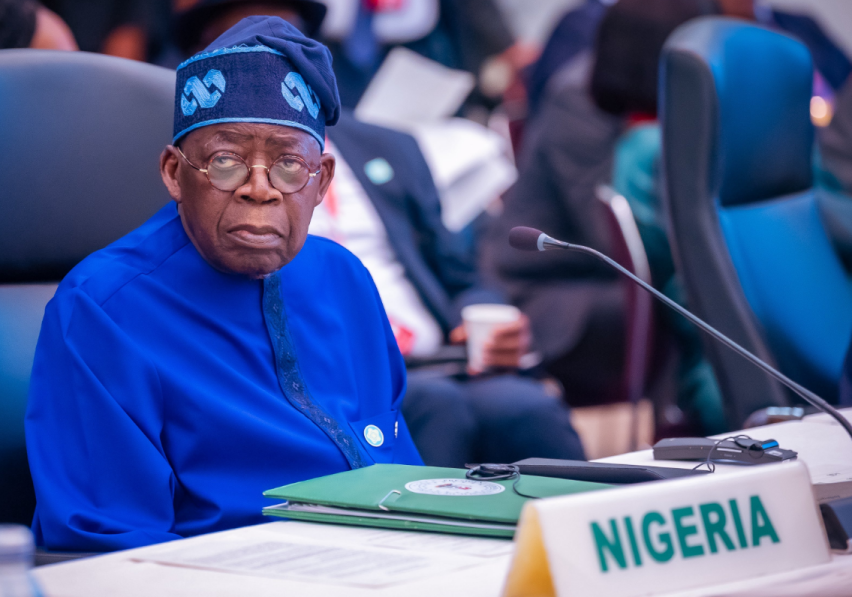
Supporters of the legislation say the measure is intended to pressure President Bola Tinubu's government to improve security in regions where Christian communities have repeatedly come under attack from armed groups.
Rep. Riley Moore, who sponsored the broader legislation, said Christians in Nigeria have endured years of violence while receiving insufficient protection from the government.
“Christians in Nigeria continue to endure horrific violence, murder, and persecution while a majority of the world turns a blind eye to their suffering. President Trump has taken bold actions to strike the terrorists in Nigeria, and this bill sends a clear message that the United States will continue to stand with persecuted Christians across the globe, especially in Nigeria,” Moore said after the passage. “This important bill also holds foreign governments accountable and ensures American taxpayer dollars advance our national interests.”
If enacted, the legislation could affect millions of dollars in American assistance that supports health care, humanitarian relief, security cooperation, governance programs and development initiatives across Nigeria. The United States provided about $929 million in foreign assistance to Nigeria in 2024, making it one of Washington’s largest aid recipients in sub-Saharan Africa. In 2025, that figure reduced to $616 million according to US foreign aid data.
While the exact programs affected would depend on how the law is implemented, a suspension of aid would likely complicate cooperation between Washington and Abuja at a time when both countries continue to work together against extremist groups operating in northern Nigeria.
Nigeria’s complex security situation
Nigeria has long battled multiple security crises. Boko Haram and the Islamic State West Africa Province continue to wage insurgencies in the country's northeast, while heavily armed criminal gangs operate across the northwest. In the country's Middle Belt, violence involving farming communities, nomadic herders and armed militias has claimed thousands of lives over the past decade.
Many Christian organizations argue that Christians have been disproportionately targeted, particularly in Plateau and Benue states, where churches and predominantly Christian villages have suffered repeated attacks.
Human rights organizations and conflict researchers, however, say the situation is more complex. Groups such as the Armed Conflict Location and Event Data Project have found that both Muslims and Christians have suffered heavily from insurgent violence, banditry and communal conflict, although Christians have also experienced attacks specifically because of their faith.
Right groups say insecurity is fueled by a combination of religious extremism, competition over land and water, ethnic tensions, organized crime and weak governance. That complexity has been central to the Nigerian government's response.
Tinubu's administration has consistently rejected allegations that the country is witnessing a government-backed campaign against Christians. Nigerian officials maintain that terrorism and criminal violence affect citizens regardless of religion.
Responding to criticism from Washington last year, Tinubu said Nigeria's security challenges affect people “across faiths and regions” and insisted the country remains committed to religious tolerance. Presidential adviser Daniel Bwala also said jihadist groups “had killed people from all faiths, or none,” while emphasizing that Nigeria remained committed to fighting violent extremism.
The debate has intensified under Trump, who has repeatedly accused Nigeria of failing to protect Christians.
The current legislation reflects a broader shift in Washington’s approach under the Trump administration, which has increasingly tied foreign assistance to religious freedom concerns.
Earlier this year, Moore said the proposed legislation followed a congressional investigation into violence against Christians in Nigeria that he conducted at Trump's request.
“The Tinubu Administration is spending millions lobbying Congress while failing to adequately address the genocide Nigerian Christians face daily,” Moore wrote when the House Appropriations Committee first advanced the proposal in April.
Supporters argue that conditioning aid would force Nigerian authorities to prioritize security reforms, prosecute attackers more aggressively and better protect vulnerable communities.
Critics, however, warn that reducing U.S. assistance could have unintended consequences by weakening programs that directly benefit ordinary Nigerians, including health services, humanitarian assistance and security cooperation aimed at combating extremist organizations.
The legislation has also renewed international debate over how the violence in Nigeria should be characterized.
While many church leaders and religious freedom advocates describe the attacks on Christian communities as systematic persecution, several researchers caution against reducing Nigeria’s security crisis to a single religious narrative.
Conflict analysts note that Boko Haram and Islamic State West Africa Province have killed Muslims as well as Christians, while farmer-herder violence often stems from disputes over land, grazing routes and local political tensions that overlap with religious identities.
For now, the measure remains only a proposal.
The Senate must approve its own version of the appropriations bill before lawmakers reconcile differences between the two chambers. The final legislation would then require Trump's signature before any restrictions on aid could take effect.
Even so, the House vote sends one of the clearest signals yet that concerns over religious freedom in Nigeria have become a significant issue in Washington. Whether the measure ultimately becomes law or is modified during negotiations, it is likely to increase diplomatic pressure on Tinubu’s government to demonstrate measurable progress in protecting vulnerable communities and addressing one of Africa's most persistent security crises.