A Sudanese refugee in South Sudan is facing death threats for converting to Christianity, sources said.
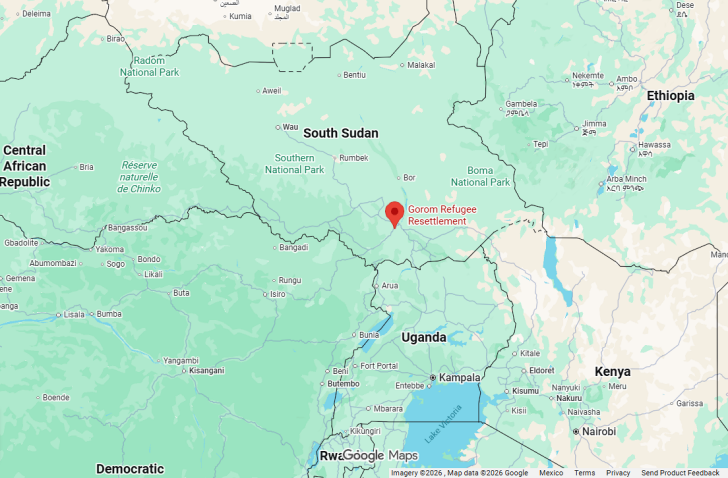
Former Muslim Mosab Haroon Ahmed, 31, fled the military conflict in Sudan two years ago, arriving at the Gorom Refugee Settlement 26 kilometers (16 miles) southwest of Juba. He put his faith in Christ on May 10 after watching the Jesus Film at a church within the camp.
His conversion brought spiritual peace but immediately triggered a wave of hostility from the camp’s Muslim extremists, he said.
“After I believed in Jesus, radical Muslims started to persecute me and other converts,” Ahmed told Morning Star News.
Camp residents informed his family members in Darfur, Sudan of his conversion. Adhering to strict Islamic views on apostasy, his family has since disowned him and sanctioned his killing, he said.
“My family wants me dead,” Ahmed said.
Fearing for his life, Ahmed has taken refuge inside the church building. Muslim extremists are aware he is there, and the church leader said Ahmed is in constant danger but has nowhere else to go. The pastor requested anonymity.
Beyond the threat of violence, Ahmed faces the daily struggle of survival in a high-need refugee setting.
“Life is difficult for us; food is a problem,” Ahmed said. “Please pray for me so that God can change my Muslim family to come to faith.”
While South Sudan’s constitution provides for religious freedom, including the right to propagate one’s faith and convert, communal and familial pressure remains high within refugee populations originating from more restrictive regions.
In Sudan, the country Ahmed fled, apostasy was long punishable by death until the law was abolished in 2020. Cultural and extremist attitudes regarding conversion, however, often persist across borders, leaving converts like Ahmed vulnerable to “honor” killings or mob violence.
Church leaders in the Gorom camp are calling for increased protection for religious converts and are seeking ways to provide basic necessities for those displaced by faith-based persecution. The camp has suffered shortages of food, water and healthcare since its population has swollen to more than five times its capacity.
The U.N.-supported camp was established in 2010 for about 2,500 Ethiopian refugees fleeing conflict. It has since grown significantly in response to regional crises, by August 2023 housing more than 10,000 people, including new arrivals from Sudan.
Anti-Sudanese violence in Juba in January 2025 drove more than 6,800 Sudanese refugees to Gorom, bringing its population to more than 22,000 by April.
Sudan is 93 percent Muslim, with adherents of ethnic traditional religion 4.3 percent of the population, while Christians constitute 2.3 percent, according to Joshua Project.
Sudan was ranked No. 4 among the 50 countries where it is most difficult to be a Christian in Open Doors’ 2026 World Watch List (WWL). Sudan had dropped out of the top 10 of the WWL list for the first time in six years when it first ranked No. 13 in 2021.
The U.S. State Department in 2019 removed Sudan from the list of Countries of Particular Concern (CPC) that engage in or tolerate “systematic, ongoing and egregious violations of religious freedom” and upgraded it to a watch list. Sudan had previously been designated as a CPC from 1999 to 2018.
In December 2020, the State Department removed Sudan from its Special Watch List.