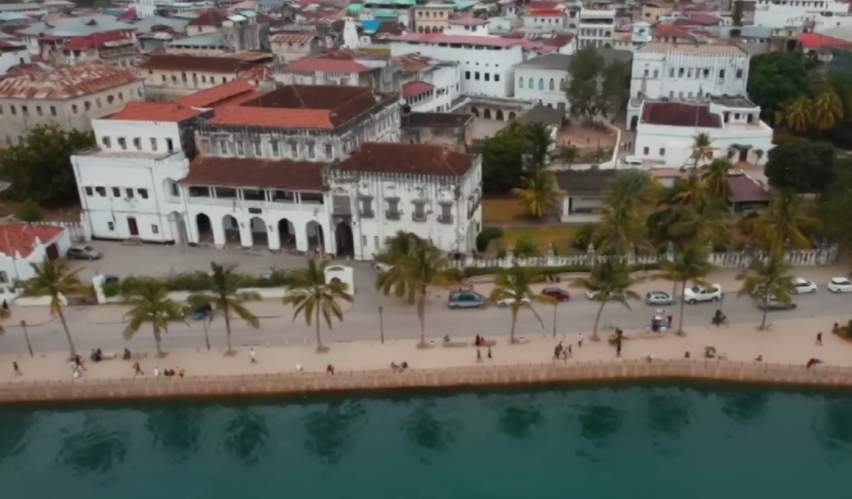
The doors of some small churches in Zanzibar, a semi-autonomous archipelago of Tanzania, have been broken, Bibles scattered and congregations left shaken. Yet Christians in several Muslim-majority communities continue to gather for worship despite fears of further attacks and growing social pressure.
A report published Aug. 6 by International Christian Concern said Christians in several coastal communities in Zanzibar continue to worship despite threats, harassment and occasional attacks.
Church leaders in Zanzibar, off Tanzania's coast, told the organization that the pressure extends beyond physical attacks and includes social pressure that can make Christians afraid to openly practice their faith.
The situation is particularly sensitive in Zanzibar and other coastal areas where Muslims form the majority of the population. While Tanzania’s constitution guarantees freedom of religion and prohibits discrimination based on religion, rights groups say Christians in some parts of the country face restrictions that are not reflected in those constitutional protections.
Christian advocacy group Open Doors reported in its 2025 assessment that churches in Zanzibar and Tanzania’s coastal regions face difficulties organizing Christian activities, including inside their own places of worship. The group said congregations in these areas can face threats from local community leaders, radical groups and, at times, hostile authorities.
“Churches in Tanzania face significant hindrances in organizing Christian activities, even within their own places of worship,” Open Doors stated. It added that in Zanzibar and coastal regions, church gatherings are closely monitored and congregants can face harassment or intimidation that discourages regular attendance.
Open Doors also reported that at least 10 churches were attacked during its 2025 reporting period, with incidents recorded in Pemba, Unguja and other parts of Tanzania. The attacks included vandalism, arson and destruction. The organization said at least 100 Christians faced physical or mental abuse during the same reporting period, although it cautioned that many incidents go unreported.
The figures provide important context to the latest reports from coastal churches. The issue is not simply whether Christians can attend a Sunday service. In some communities, church leaders must consider whether their congregations can meet openly, whether new churches can be established and whether converts can participate without facing pressure from their families or wider communities.
Open Doors said obtaining legal status for churches can also be difficult, particularly in Zanzibar and coastal areas. Christian groups are required to register with authorities and can face additional scrutiny. The organization said registration procedures can be delayed or obstructed, leaving some churches vulnerable to accusations that they are operating illegally.
Christian Solidarity Worldwide, a religious freedom organization, has documented similar concerns.
In a November 2025 briefing, CSW reported that Christians in Zanzibar face restrictions when establishing places of worship. The organization stated that, in some cases, permission from the local community is required before a church building can be constructed, even though such a requirement is not part of the formal legal framework.
Several churches that had obtained the necessary permissions became involved in court cases, with hearings repeatedly postponed, according to CSW. It also reported that at least 24 church buildings had been destroyed in attacks by mobs over the years.
Previous reports
One of the better documented incidents occurred in February 2020, when the Calvary Mission Church in Mwamboni was attacked by men armed with machetes, hammers and petrol, according to CSW. The wife of the pastor, Philemon Mafilili, was physically assaulted. The attackers returned several days later and attacked Mafilili, leaving him seriously injured and requiring hospital treatment.
Before those attacks, Mafilili had reportedly been warned by a local official to leave the area because the Muslim community did not want a church there, CSW reported.
The experience of churches in Zanzibar has also been described by Christian leaders themselves.
In a 2022 report published by International Christian Concern, Bishop Derick, whose name was changed for security reasons, said some Christians had been advised to stop meeting every Sunday because of fears of attack.
“The biggest obstacle to achieving equal religious judicial treatment is the concentration of Muslim judicial officers who take no action against the sectarian violence meted on the [Christian] Church,” he said.
Pastor Adam, also identified under a pseudonym for security reasons, described the wider situation as one of discrimination and exclusion.
“Zanzibar is still in the deep waters of religious discrimination and exclusion that affects Christians, for they are a minority group,” he said.
He added that Christians had repeatedly appealed to authorities to protect churches and believers.
“The church in Zanzibar has tried to implore the government to intervene and create a level ground where different faiths and places of worship are respected and protected by law,” Adam said. “This is still a dream and our daily prayer, and we shall not give up asking the Zanzibar authorities to protect believers from attacks orchestrated by the Arabic fundamentalists.”
CSW noted that both the Tanzanian and Zanzibari constitutions guarantee equality regardless of religion and protect freedom of conscience and religious choice. Tanzanian law also prohibits the intentional destruction or damage of places of worship.
The pressure on Christians also extends beyond church buildings. Open Doors reported that converts to Christianity in Zanzibar and other coastal areas can face social ostracism, harassment and threats because conversion may be viewed as a rejection of family and community identity. Churches that support converts can themselves become targets of hostility.
Tanzania's laws provide protections for religious freedom. Christian groups and rights organizations say those protections need to be enforced consistently, particularly in Zanzibar and other Muslim-majority coastal communities where Christians remain vulnerable to social pressure, restrictions and attacks.