
Nicaragua’s National Assembly, dominated by the ruling party, approved a partial constitutional reform Sept. 1 in its first legislative session that would bar people deemed “traitors to the homeland” from running for office, holding public positions or serving in party leadership.
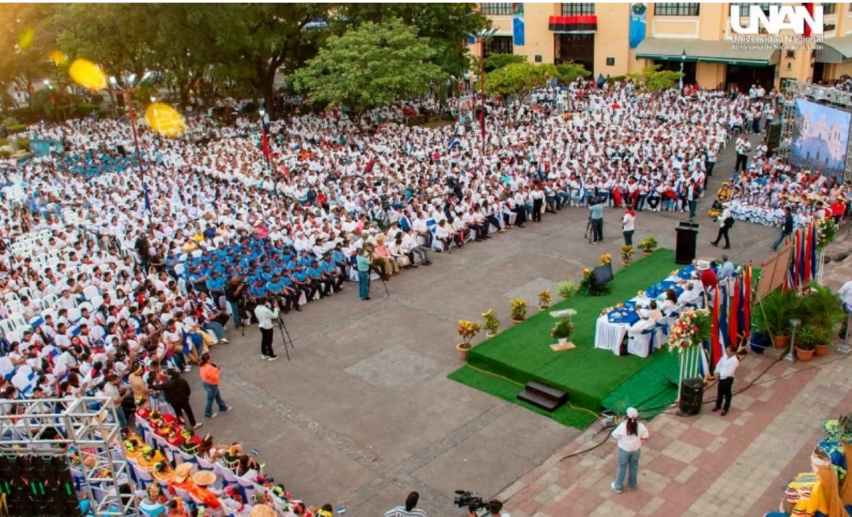
The measure was approved unanimously by a show of hands during a special session in León, marking the first formal approval of an initiative promoted by co-presidents Daniel Ortega and Rosario Murillo.
The constitutional changes are not yet in effect. The reform requires a second approval during the next legislative session in 2027 before it can take effect, according to EFE.
The reform would extend the terms of elected officials from six to seven years, including those of the co-presidents, lawmakers and mayors. It would also apply to other officials, including judicial and electoral magistrates, the attorney general and the heads of the Army and National Police.
The proposed changes would impose restrictions on people who have participated in or are linked to attempted coups, received foreign funding, called for military intervention, promoted sanctions or blockades against Nicaragua, or been accused of acts considered contrary to national sovereignty.
The move follows an announcement Ortega made in July, when he said that “there will be no more elections” in Nicaragua and indicated that he would promote constitutional reforms to prevent the opposition from coming to power through elections. Diario Cristiano, Christian Daily International's Spanish edition, reported at the time that Ortega had not specified the legal mechanism for implementing the proposal.
The constitutional reform also follows public support from some evangelical pastors, who said the measure would contribute to peace, stability and the well-being of the country.
With its first approval, the reform now moves to the next stage of the constitutional process.
Originally published by by Diario Cristiano, Christian Daily International's Spanish edition.








