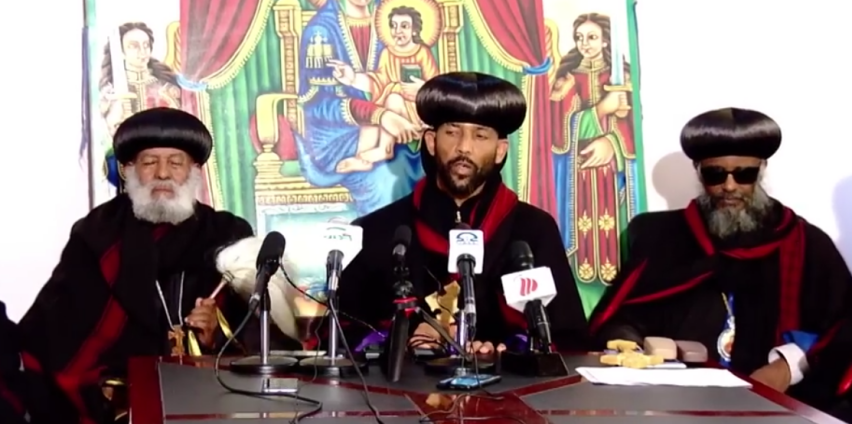
Religious and civil society leaders in Ethiopia’s Tigray region have issued an urgent appeal for peace as sporadic clashes continue in parts of the northern region, raising fears of a renewed humanitarian crisis. The appeal, made public Feb. 9 in a statement sent to Agenzia Fides, called on all combatants to immediately cease hostilities and pursue dialogue to avoid further suffering by civilians.
The Tigray Orthodox Tewahedo Church, among other faith representatives, described the loss of life as intolerable, declaring “the killing of brothers by brothers must stop.” The Tigray Public Diplomacy Forum also urged a return to negotiations, emphasizing that differences should be resolved through dialogue rather than force.
“The path of peace, rooted in dialogue and mutual respect, is the only option that protects our people and our future,” the Forum said in a message echoing an earlier peace appeal issued on Feb. 1.
The latest appeals come amid reports of intermittent fighting in parts of the Tigray region. Although there have been signs of relative stabilization in southern districts, conflicts persist elsewhere, contributing to insecurity and humanitarian concern.
International observers and local media have also highlighted renewed calls from community institutions in Tigray - including civil society groups and regional security officials - urging combatants to halt internal discord and engage in reconciliation efforts.
The region, which endured a devastating war from 2020 to 2022 between Ethiopia’s federal forces and the Tigray People’s Liberation Front (TPLF), was supposed to be at peace under the Pretoria Peace Agreement signed in November 2022. That agreement’s goal was a permanent cessation of hostilities, but political disagreements and sporadic violence have continued to threaten stability.
The renewed calls for restraint come as the United Nations High Commissioner for Human Rights, Volker Türk, warned that escalating clashes between the Ethiopian National Defence Force (ENDF) and Tigray Security Forces (TSF) could exacerbate the humanitarian crisis already affecting millions of civilians. Türk called on both sides to de-escalate tensions and protect noncombatants, stressing the need for political dialogue.
According to regional reporting, clashes in areas such as Tselemti and Laelay Tselemti have involved heavy weaponry and resulted in unrest that complicates humanitarian access and threatens displaced populations.
Humanitarian groups have expressed alarm that a return to widespread conflict could worsen conditions for a population already grappling with displacement, food insecurity, and disrupted services following years of war. The exact casualty figures from the recent skirmishes are not independently verified, but observers say that even limited fighting can have disastrous effects for civilians.
The renewed peace appeal reflects broader efforts by community stakeholders in Tigray to prevent a return to large-scale violence. Reports indicate that religious leaders, civic organizations and the regional security bureau have repeatedly urged dialogue instead of conflict amid mounting tensions.
Community figures say that continued fighting risks undoing hard-won gains from previous peace initiatives, including local reconciliation efforts and dialogues involving elders and regional representatives.
While the proposal for peace enjoys broad support among faith and civil society leaders, political fragmentation complicates prospects for lasting resolution. Factions within the TPLF and divisions between regional and federal authorities have hindered implementation of parts of the Pretoria agreement.
United Nations rights officials warned that renewed clashes could worsen the humanitarian crisis and further destabilize regional security if de-escalation does not occur.
In addition to urging a ceasefire, religious and civil leaders stressed the need for unhindered humanitarian access to deliver medical aid and basic services to affected communities. They also called on media outlets to report responsibly to prevent misinformation that could inflame tensions.
“Peace cannot be imposed by force,” the statement said. “It must be chosen by the people with courage, compassion and mutual respect.”