A coalition of Christian leaders in Zimbabwe warned that a proposed constitutional amendment could weaken democratic safeguards, urging legislators to protect the integrity of the country’s constitution.
The Zimbabwe Heads of Christian Denominations (ZHOCD), which brings together the Zimbabwe Catholic Bishops’ Conference, the Zimbabwe Council of Churches and the Evangelical Fellowship of Zimbabwe, released a pastoral statement criticizing the proposed Constitution of Zimbabwe Amendment (No. 3) Bill, 2026.
The bill proposes significant changes to the country’s constitutional structure, including reforms that critics say could alter presidential terms and the electoral system. One of the contentious clauses of the bill is the proposal to change Zimbabwe’s presidential system to a parliamentary one.
If the bill is passed, members of the Senate and the National Assembly will vote for the President as opposed to the current system where the President seeks executive mandate directly from the voters. The bill also proposes replacement of the current 5-year election cycle to 7 years, essentially extending the term of political leaders.
Church leaders said the amendments could weaken democratic accountability and reduce citizens’ participation in the political process.
“The proposed constitutional amendments raise serious concerns about the protection of democratic principles and the will of the people,” the church leaders said in their statement.
The clergy urged lawmakers to remember their constitutional responsibility to represent citizens rather than political interests.
“Parliament is a sacred trust intended to serve the collective good of the nation,” the church leaders said. “It must not become an instrument for extending political power.”
The statement marks one of the most coordinated responses from Christian leaders in Zimbabwe since the country adopted its current constitution in 2013.
That constitution emerged after years of national dialogue following political tensions between the ruling party and opposition groups. Churches played a role in encouraging peaceful participation and civic engagement during that process.
In their latest appeal, church leaders emphasized that constitutional reforms must be transparent and rooted in public consultation.
They warned that changes affecting elections or presidential mandates should not be made without broad public participation.
“The constitution is the people’s covenant,” the statement said. “Any amendments must reflect the will of the citizens.”
Zimbabwean media outlets reported that the proposed amendment could extend terms for senior political offices and adjust the way leaders are elected.
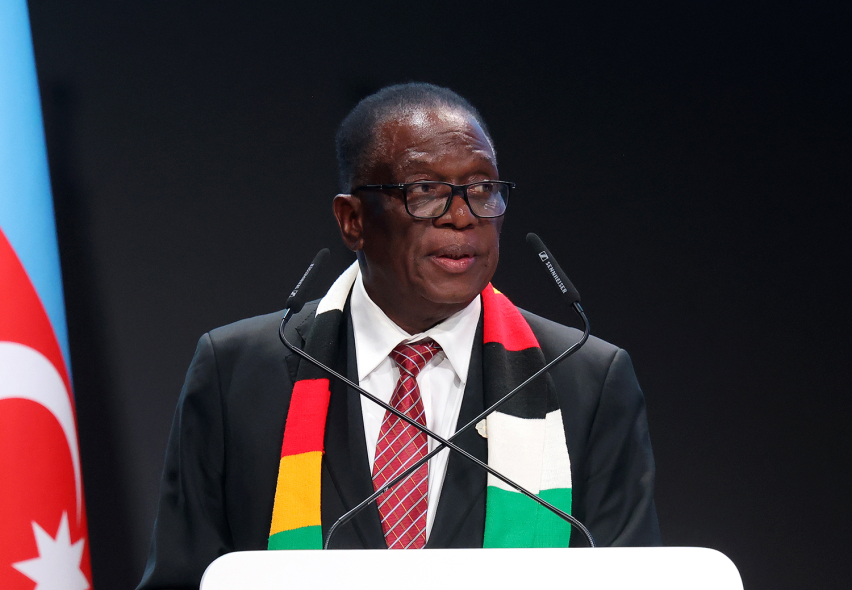
Those reports have fueled national debate over whether the reforms could allow President Emmerson Mnangagwa’s government to remain in power longer than what the current law stipulates.
While government officials say the amendment process is part of normal constitutional reform, critics argue the changes could weaken checks and balances designed to limit executive authority.
The church leaders called on Zimbabweans to respond peacefully while engaging in national discussion about the proposed changes.
“As shepherds of God’s people, we urge citizens to defend justice, accountability and the common good,” the statement said.
Rolling back term limits
The debate unfolding in Zimbabwe reflects a wider pattern across Africa, where proposals to extend presidential terms or revise constitutional limits have sparked political controversy in several countries.
Over the past two decades, term-limit debates have become one of the most contentious issues in African politics. In some countries, leaders have attempted constitutional reforms to remain in office beyond existing limits, while opposition groups and civil society organizations have pushed back.
In the Democratic Republic of Congo, President Félix Tshisekedi suggested reviewing parts of the country’s constitution, a proposal that critics fear could eventually open the door to changes affecting presidential term limits.
Earlier constitutional revisions across the continent have sparked similar controversies.
In Rwanda, a constitutional referendum in 2015 allowed President Paul Kagame to seek additional terms in office after earlier limits would have required him to step down.
Uganda removed presidential age limits in 2017, enabling President Yoweri Museveni to remain eligible to run for office despite earlier constitutional restrictions.
In West Africa, Ivory Coast approved constitutional reforms in 2016 that allowed President Alassane Ouattara to run again after a new constitution reset the term count.
Each of these changes triggered debate over whether constitutional reforms were strengthening political systems or weakening safeguards designed to prevent the concentration of power.
Zimbabwe’s current debate fits into that broader continental discussion.
Analysts say constitutional amendments are not unusual in democratic systems, but changes affecting presidential mandates often draw intense scrutiny because they directly shape political competition and the transfer of power.
In their latest statement, Zimbabwe’s church leaders said their concern is rooted in the responsibility to protect the welfare of citizens.
“Our role as the church is to guide the nation toward righteousness, justice and peace,” the statement said.
The clergy urged lawmakers and citizens alike to place the country’s long-term stability above political interests. They also emphasized that peaceful dialogue remains essential as Zimbabwe debates its constitutional future. The church leaders concluded their message with a call for national reflection.
“The future of our nation depends on integrity, accountability and the faithful stewardship of public trust,” the statement said.
The proposed amendment will now move through Parliament, where lawmakers must debate and vote on the changes before they can take effect. Church leaders say they will continue monitoring the process and urging legislators to ensure that any constitutional reforms reflect the will of Zimbabwean citizens.