Opinion
-
Of rogue preachers and misleading theologies: Is it time to regulate the Church?
It reads like a horror story, and most of it is quite unbelievable that it can, let alone that it did, happen. The story of Paul Nthenge Mackenzie of the Good News International Church is a tragic event in Kenya’s recent history. -
Brazil’s new National Education Plan is a real threat for parental rights
Latest Updates
-
Nil by force: a word on militaristic tropes in missions
I think missions influencers resort to militaristic tropes because, when it comes to the sharing of our faith, whether local or cross-cultural, we have a motivational problem. To get more believers ‘committed’ to evangelism, ministry, and missions, influencers too easily twist Scripture to promote a militant activism, casting the ‘great unwashed’, ‘pagan’, or ‘heathen’ as ignorant slaves of our enemy (sin, the powers of darkness, and the Devil) needing to be rescued (by force, if necessary, e.g. -
Language: a barrier or a bridge to people flourishing
Irrespective of its status or prestige, each language represents somebody’s mother tongue. By this, I mean the first language through which they have been exposed to the world. It informs their sense of identity and provides them with the cultural categories by which they view the world and engage in it. -

Bound together
A giant three-metre-high replica of an ordinary torsion spring clothespeg arrested my wife and me while walking through a sculpture garden in New Zealand some time ago. -
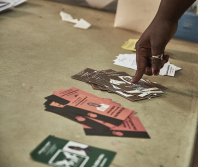
Africa’s election year 2024: Twenty principles and truths for Christian political engagement
Africa is a deeply religious continent. So how African individuals and communities understand and express their religions and protect their religious spaces and doctrines from misuse or abuse has implications for wider African society, including the spheres of politics and civil governance. These significantly affect human well-being across the continent. -
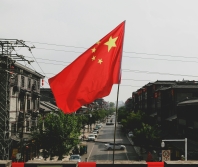
Sinicization: Culture or Politics?
In his incisive Christianity Today article titled “Xi Jinping Is Not Trying to Make Christianity More Chinese,” Purdue University professor Fenggang Yang draws a distinction between Sinicization, or the cultural adaptation of religion to Chinese culture, and what he calls “Chinafication,” a more literal translation of the Chinese term Zhongguo hua (中国化) used in the current “Sinicization of religion” campaign.
Most Read
-
In Cairo, Christian women leaders explore what it means to lead in the 'wilderness'
-
The Church remains the greatest challenge to China's communism
-
'Un-dark': New initiative trains Christians to share their faith in online gaming communities
-
Death penalty for church attack killers in Jordan faces obstacles
-
‘They are broken, but they refuse to be defeated’: Inside Manipur’s relief camps