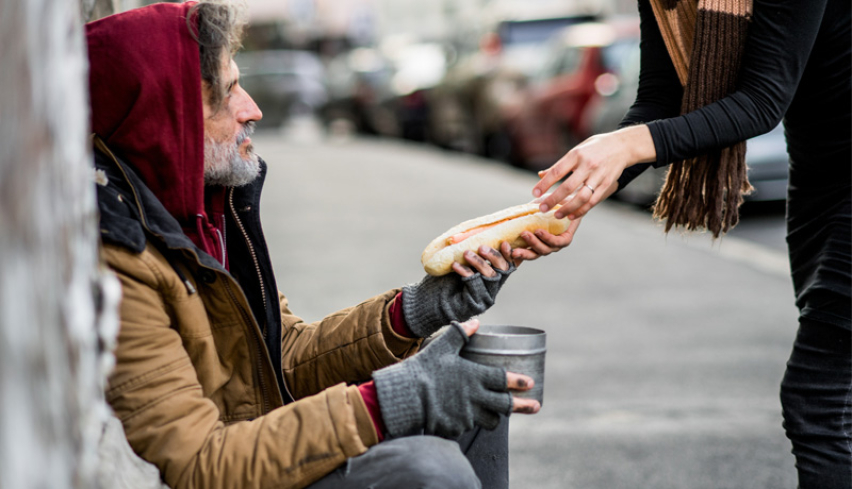
Mission Australia wants homeless people to take part in the 2026 Census, being conducted by the Australian Bureau of Statistics on Aug. 11.
It comes as Australia marks Homelessness Week from Aug. 3 to 9, amid indications that homelessness is becoming more widespread.
Mission Australia, a Christian community services and housing provider, said housing affordability and rental stress were causing systemic problems.
According to data from the 2021 Census, 122,494 people experienced homelessness, but Mission Australia said the number was “likely to be higher today” because a lack of affordable homes has forced more people into unstable living conditions like overcrowded or temporary housing, and other forms of insecure accommodation.
Mission Australia Chief Executive Officer Sharon Callister said homelessness was becoming more widespread but harder to see.
“Homelessness is not always what people expect,” Callister said.
“It includes people staying with friends or family because they have nowhere else to go, people living in overcrowded homes, and people moving between short-term and unstable accommodation.
“Young people are also being deeply affected by the housing crisis. We are seeing more young people trying to study, work and live their lives without the stability of a safe and secure home.”
For some of those affected, homelessness is the result of family conflict, but for many it is the simple reality of being unable to find or afford a place to live, according to Callister: "The housing crisis is driving more people into these situations, and we expect the numbers have increased since the last Census."
Callister believes the Census has a critical role to play in understanding homelessness, but only if everyone is counted.
“The Census is one of the best tools we have to understand homelessness in Australia,” she said.
“But it only works if people are included. If people aren’t counted, they remain invisible in the data, and it becomes harder to respond effectively.”
The Australian Bureau of Statistics is offering help for homeless people to complete the Census on Aug. 11, whatever their living situation.
ABS staff will visit known locations where people are sleeping rough, including in cars or tents. The survey can also be completed online and accommodation providers like hostels, refuges and boarding houses will supply forms to complete on Census night. Those temporarily “couch surfing” with family or friends will receive instructions at those addresses from late July.
Mission Australia staff and frontline services are also supporting people experiencing homelessness to complete the Census, which is confidential.
Callister said better data must lead to stronger action on housing and homelessness.
“We know what works,” she said.
“When people have a safe, stable and affordable home, homelessness can be prevented or resolved. We also know that targeted support makes a real difference in keeping people housed.
“Nearly all people who receive tenancy support through our services are able to stay housed or avoid homelessness. That shows what is possible when housing and support work together.
“But we cannot end homelessness without more housing. We need a sustained increase in social and affordable housing so it makes up at least six per cent of all homes over the medium term, and 10 per cent over the longer term.”
Mission Australia is campaigning for authorities to “act on the evidence” and commit to long-term reform of the housing system so that more people can access safe, stable and affordable homes.
That includes more youth-specific housing options and supported models like Youth Foyers, as well as targeted housing pathways for young people at risk of homelessness.
“We know from our Youth Survey that young people are being hit hard by the lack of affordable housing, and too many are being pushed into homelessness early in life,” she said.
“They need stable and affordable housing options that actually meet their needs.”
Homelessness Week is a reminder that action must match awareness, she added: “The theme this year is Homelessness Action Now, and that is what’s needed.
“It means making sure homelessness is properly counted, understanding the full scale of the problem and committing to the level of housing investment required to actually end it.”