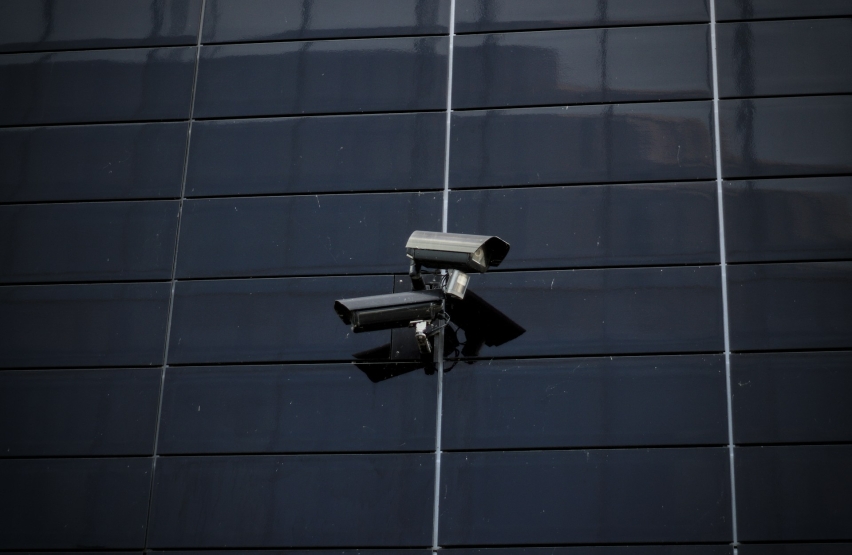
The International Federation of Journalists warned of worsening conditions for media workers worldwide as the global community marked World Press Freedom Day on May 3, citing increased violence, surveillance and technological threats that it says are undermining the public’s access to reliable information.
In statements released ahead of the observance, the IFJ, which represents more than 600,000 media professionals across 148 countries, described the global state of press freedom as “deplorable” and called for stronger legal protections, greater accountability and public engagement to defend the right to information, which it said is essential for democratic societies.
The warning comes alongside findings from UNESCO showing a sustained global decline in freedom of expression. According to UNESCO’s latest World Trends Report on Freedom of Expression and Media Development, press freedom has fallen by 10% since 2012, a drop the IFJ said is comparable to some of the most unstable periods of the 20th century.
Journalists killed, targeted in conflict zones
The IFJ reported that 128 journalists were killed in 2025, with additional deaths already recorded this year. It said reporters working in conflict areas face heightened risks, with individuals identified as members of the press increasingly becoming targets.
The organization cited situations in Ukraine, Palestine, Lebanon and Sudan where journalists have been arrested, displaced or killed while carrying out their work.
IFJ General Secretary Anthony Bellanger said attacks on journalists have broader implications for society.
“Every attack on a media professional is an attack aimed at silencing a story intended to inform citizens,” Bellanger said, adding that restrictions on journalism ultimately prevent the public from making informed decisions.
Surveillance expanding beyond war zones
Beyond physical threats, the IFJ pointed to what it described as a growing global system of digital surveillance targeting journalists.
In a separate study published April 28, titled “Global Surveillance of Journalists: A Technical Mapping of Tools, Tactics and Threats,” the organization documented how monitoring technologies have become more widespread and sophisticated. The report draws on interviews with cybersecurity experts and journalists, along with technical investigations conducted between 2021 and 2025.
The study found that tools once limited to intelligence agencies are now widely available, including commercial spyware such as Pegasus spyware, Predator spyware and Graphite spyware. These systems can access devices with little or no user interaction, enabling what researchers describe as “zero-click” intrusions.
According to the IFJ, such technologies are often deployed with limited oversight, creating conditions where journalists may be monitored without accountability. The report describes a convergence of state intelligence capabilities, private-sector tools and weak regulatory frameworks.
Artificial intelligence raises new concerns
The IFJ study also highlights the role of artificial intelligence in expanding surveillance capacity. Data collected through digital monitoring can be integrated into AI systems that analyze communications, location data and online activity at scale.
In conflict environments, the report said, such systems can combine telecommunications data with drone or other surveillance feeds, raising concerns about how journalists are identified and tracked.
The IFJ also warned more broadly about AI-driven risks to journalism, including the spread of disinformation, identity theft and the use of automated systems that bypass editorial standards.
Calls for accountability and legal protections
The organization urged governments to introduce laws that protect press freedom, regulate surveillance technologies and ensure media independence. It also called for restrictions on spyware use and stronger safeguards for journalists’ sources.
The surveillance report recommends greater transparency in the export and use of surveillance tools, increased investment in digital security training and stronger protections for encryption and anonymity.
Samar Al Halal, the study’s lead author, said surveillance has a direct impact on the ability of journalists to report freely.
“When journalists are watched, sources disappear, investigations stop, and self-censorship becomes normal,” Al Halal said. “The public doesn’t just lose information, it loses the ability to hold power accountable.”