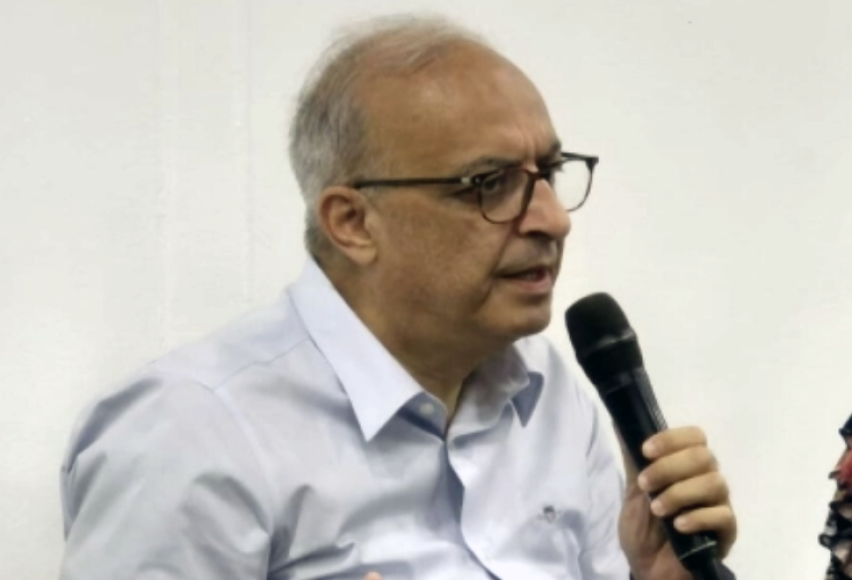
Asking for money is not begging but an invitation to partner in God's kingdom, World Evangelical Alliance leaders told national alliance heads at the Latin Evangelical Alliance's 13th General Assembly, which runs Oct. 12-16 in Costa Rica's capital.
The Rev. Botrus Mansour, secretary general of the World Evangelical Alliance, and Brad Smith, global leader of the WEA's Global Leadership Institute, spoke on a panel titled "The Role of the Leader in Raising Money."
They talked about the responsibility of national leaders to put their organizations on solid financial footing and to build strategic partnerships that help them carry out their mission.
How evangelical leadership has changed
Smith began with a review of how church structures have developed over the centuries. He said today's evangelical movement is organized mainly through independent ministries and global networks.
The WEA, he said, is a family present in 164 countries. Its main goal is to promote unity and cooperation in ministry.
Smith said the role of national alliance presidents has changed in recent decades. Where they once organized annual conferences, they now advocate for evangelicals and work to advance the kingdom of God in their countries. That work requires sustainable funding, he said.
"To fulfill God's calling, you have to raise money," Smith said. "Unfortunately, some think raising money is begging. And that is not biblical. Fundraising is starting and building relationships of mutual trust, and eventually you are being discipled and discipling others in an area where discipleship is difficult, which is money."
He acknowledged that fundraising often brings fear or resistance among leaders, because of cultural perceptions or fear of failure. He said working in community and as a team helps leaders overcome those barriers.
Fundraising as friendship
Mansour spoke from his own experience as a Palestinian Arab leader. He said cultural barriers, such as a culture of shame, often lead leaders to see fundraising as begging. The task, he said, is to invite others to join in the work of the kingdom.
He said raising funds should not be seen as public charity or dependence. Instead, it is a spiritual opportunity to involve believers in mission.
"Asking for money is not begging — it is inviting people to partner in the kingdom of God," Mansour said.
He said that when leaders build genuine trust and friendship, they give donors the chance to take an active part in the vision God has given the organization. In this way, a financial gift becomes a blessing for both sides.
"You are going to people and asking them to partner in the kingdom of God. What could be better than that?" Mansour said. "You are giving these people a blessing. By asking them to give money, they are going to be part of it. They are going to be partners in what the Lord has put on your heart and in your mission."
Mansour added that donors and partners want a direct relationship with the head of the organization. They want to know that resources are managed with full transparency and excellence.
Practical steps and international cooperation
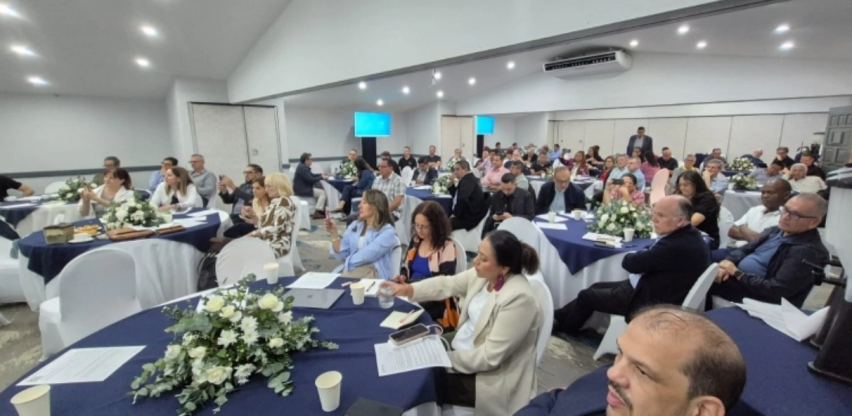
During the Q&A session, the speakers said building relationships with donors takes time, consistency and proper follow-up, much like growing a friendship.
They also shared practical tools used in different regions. These included identifying leaders who act as "champions" for the financial vision, using matching funds to spur growth and inviting key partners to take a direct part in ministry work.
The leaders also presented the global initiative Call 33. They urged national alliance representatives to fill out the forms for the program, which aims to strengthen cooperation, make the most of available resources and build collaboration among WEA member bodies worldwide.