African Christian health organizations have welcomed a major new U.S. commitment to faith-based health care but say they are still waiting for clarity on how local hospitals, clinics and community programs will participate in the new funding.
The United States announced that it would provide nearly $2 billion in health and humanitarian assistance through faith-based organizations, describing the commitment as a historic expansion of its partnership with religious groups. Nearly $1.4 billion of the funding is earmarked over five years for health partnerships with faith-based and community organizations.
The announcement has particular significance for Africa, where Christian organizations operate hospitals, clinics and community health programs and have long partnered with international donors to provide services in underserved communities.
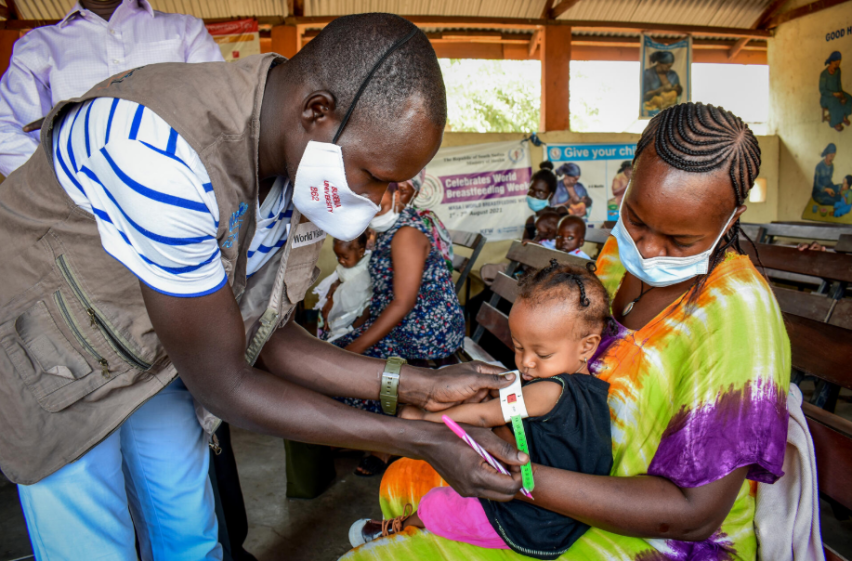
Under the new Faith and Community Initiative, World Vision will serve as the prime recipient of an $850 million award. The organization has initially signed a one-year, $250 million agreement with the U.S. government. The program is expected to support more than 2,500 faith-based hospitals, clinics and community hubs and train, equip and pay more than 30,000 community health workers across 17 countries.
World Vision's consortium includes ADRA International, Catholic Relief Services, Compassion International, HOPE Worldwide, International Care Ministries, LifeNet International and World Relief.
The U.S. State Department said at least 80% of resources under the initiative will go toward frontline health services. A further $570 million is expected to be included in bilateral health agreements between the United States and individual countries.
African faith-based health leaders say the announcement is only the beginning.
Karen Sichinga, chief executive officer of the Churches Health Association of Zambia, said African faith-based organizations had been involved in discussions with U.S. officials before the announcement and had specifically pushed for funding to be set aside for local organizations.
“We are extremely happy that has happened because that was what we were lobbying for,” Sichinga said during a webinar of African Christian health leaders, according to Devex.
Sichinga said Zambia’s health sector is still waiting for clarity about how the funding will be implemented. Zambia has not yet signed a bilateral health agreement with the United States, although negotiations are continuing.
She said the association's engagement with U.S. officials began last November and continued into April, including discussions with State Department officials. She expects greater clarity about the role of local faith-based organizations once Zambia's bilateral agreement is completed.
Peter Yeboah, executive director of the Christian Health Association of Ghana, also welcomed the announcement but said his organization does not yet know what role it will have in implementing the new U.S. funding.
“We welcome the development of the U.S. government supporting faith-based institutions,” Yeboah said, according to Devex.
Yeboah said he remained hopeful that Ghana's bilateral agreement with the United States would provide direction. He also called for funding to be allocated directly to local faith-based organizations rather than being channeled only through national governments. The situation differs across African countries.
Diversifying support
Uganda has signed a memorandum of understanding with the United States, and faith-based leaders have participated directly in discussions with U.S. officials. Fred Sheldon Mwesigwa, bishop of Ankole Diocese in the Church of Uganda, said he had previously worried about the impact of reductions in foreign aid on Uganda's health services, particularly HIV programs.
Mwesigwa said the new funding should not cause African countries to become dependent on one source of foreign assistance.
“There are other alternatives, but we have to be engaged,” he said.
He pointed to Uganda’s efforts to obtain medical equipment from China as one example of countries looking for alternative sources of health financing.
Malawi appears to have a more clearly defined role. Doug Fountain, executive director of Christian Connections for International Health, told Devex that the Christian Health Association of Malawi is expected to have an implementing role in delivering U.S. health assistance. Malawi has signed a memorandum of understanding with the United States.
The uncertainty reflects a broader question about the U.S. government's new approach to global health funding. While Washington has emphasized a greater role for faith-based organizations, locally based groups are concerned about whether they will receive direct access to resources or remain several steps removed from the main funding agreements.
World Vision defended the consortium model. A World Vision spokesperson said local organizations often do not have the resources or capacity to contract directly with the U.S. government.
The organization said the consortium would allow larger organizations to assume responsibility for implementation while helping local groups build their capacity to receive funding in the future. World Vision also said its partners have longstanding relationships with Christian health associations and other local faith-based organizations.
According to the organization, local groups will participate in a cocreation process and many will be selected as direct implementers of the initiative.
The scale of the initiative means thousands of faith-based health facilities could potentially receive support for frontline services, while tens of thousands of community health workers could benefit from training, equipment and financing.
But African health leaders want to ensure that local organizations are not simply used to deliver programs designed elsewhere.
The U.S. government has also made clear that future awards will depend on congressional appropriations, meaning the full five-year commitment will remain subject to decisions in Washington.