
Christian organizations have urged the Mozambican government to follow through on commitments to protect civilians, assist displaced people and strengthen freedom of religion or belief during a session of the United Nations Human Rights Council in Geneva.
The World Evangelical Alliance, the World Council of Churches and the Evangelical Association of Mozambique made the appeal Friday (Sept. 25), during the adoption of Mozambique’s outcome under the Universal Periodic Review (UPR) process. The joint oral statement was delivered by Janet Epp Buckingham on behalf of the organizations and other partners.
The groups welcomed Mozambique’s participation in the UPR process and its stated willingness to cooperate with the Human Rights Council. They also recognized several commitments made by the government, including measures addressing violent extremism, humanitarian assistance, religious freedom and conflict-related sexual violence.
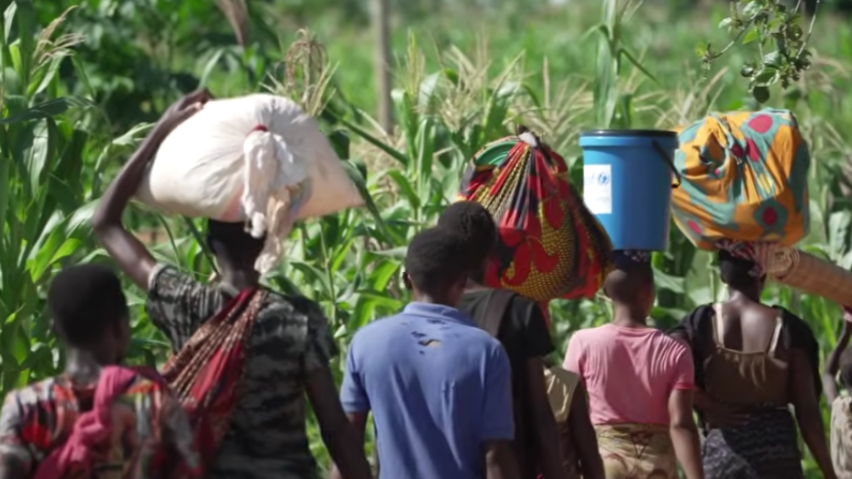
The statement comes as Mozambique continues to face a serious humanitarian crisis, particularly in the northern provinces where an armed insurgency has displaced large numbers of people.
The organizations specifically welcomed Mozambique’s support for measures intended to prevent and respond to violent extremism and radicalization. They said developing a comprehensive national strategy, aligned with the U.N. Global Counter-Terrorism Strategy and the Plan of Action to Prevent Violent Extremism, would be important for protecting civilians and strengthening accountability.
Northern Mozambique has been steeped in armed conflict since 2017, with Cabo Delgado Province at the center of the violence. The conflict has produced repeated waves of displacement and serious humanitarian needs.
U.N. agencies stated in their 2026 assessments that more than 1 million people had been affected by conflict in northern Mozambique. UNICEF reported that about 412,000 people remained displaced in 20 districts in the north, while hundreds of thousands of returnees also continued to need assistance. The agency said attacks had increased sharply in 2025, with civilians facing displacement, destruction of infrastructure and serious violations against children.
The humanitarian situation has continued into 2026. A July assessment cited by the U.N. humanitarian community stated the 2026 response plan was seeking $348 million to address urgent needs in conflict-affected districts across Cabo Delgado, Nampula and Niassa provinces. By the end of July, humanitarian organizations had reached about 652,000 people, while funding remained substantially below the level required.
The Christian organizations told the Human Rights Council that humanitarian assistance for internally displaced people should remain a priority. They welcomed the Mozambican government's commitment to strengthening assistance for displaced people and specifically noted the role that faith-based and civil society organizations can play in providing impartial support.
The groups welcomed steps proposed by Mozambique to protect that freedom, including the withdrawal of a draft law on religious freedom and efforts to align legislation governing religious communities with Article 18 of the International Covenant on Civil and Political Rights and Article 54 of Mozambique's Constitution.
The issue has particular significance given the wider security situation in northern Mozambique. A joint report previously submitted by the World Evangelical Alliance, Open Doors International and the Evangelical Association of Mozambique to the Human Rights Council documented concerns involving freedom of religion, violence against Christians by Islamist armed groups, gender-based violence and the humanitarian consequences of the conflict.
The Human Rights Council's own documentation on Mozambique has also described the conflict in Cabo Delgado as involving serious human rights and humanitarian-law violations, including attacks on civilians, abductions, forced recruitment of children and sexual violence.
The latest statement further welcomed Mozambique’s commitment to improving the prevention of and response to conflict-related sexual violence. The organizations pointed to the importance of ensuring survivors have access to medical, psychosocial and legal services.
They called on the government to implement its commitments in consultation with affected communities, religious organizations and civil society groups. They also urged that the measures be transparent, inclusive and consistent with international human rights standards.
The intervention followed the formal adoption of Mozambique's UPR outcome. The U.N.'s UPR process provides countries with an opportunity to review their human rights records and respond to recommendations from other U.N. member states. The Human Rights Council's 63rd regular session began in Geneva on Sept. 7 and concludes on Oct. 7.
WEA also calls for action in Sudan
The Mozambique intervention came weeks after the World Evangelical Alliance addressed another major African humanitarian crisis at the same Human Rights Council session.
On Sept. 8, the WEA called for an immediate ceasefire in Sudan, respect for international humanitarian law and increased humanitarian assistance. It said the crisis was worsening amid displacement, severe hunger and obstacles preventing aid from reaching affected communities.
The WEA also highlighted the role of churches in providing assistance to vulnerable people regardless of their religious background.
The Sudan statement was delivered during a general debate at the Human Rights Council on Sept. 8, making it a separate intervention from the Sept. 25 joint statement on Mozambique.








