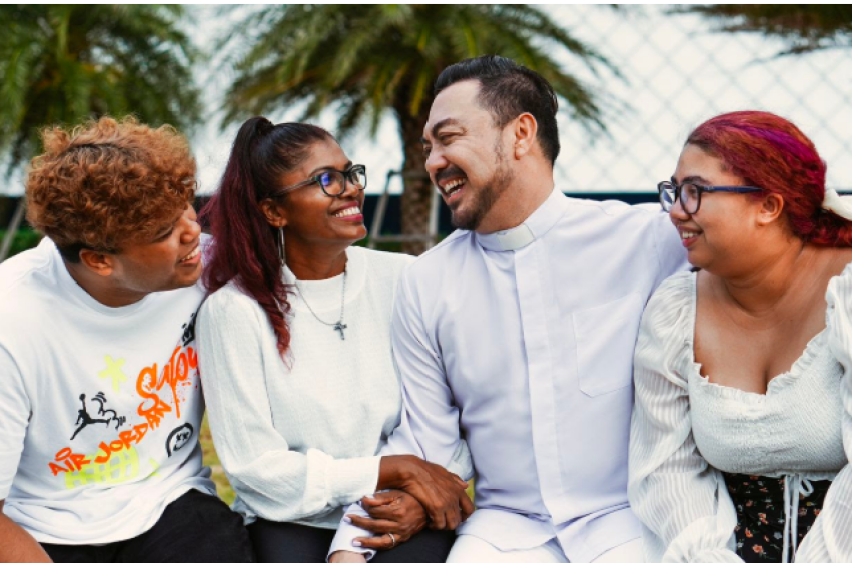
At the D6 Asia Online Family Conference 2026 on May 16, Reverend Edmund Smith delivered a detailed session titled “Sexual Wholeness,” in which he described his personal journey from transgender identity to what he called “redemption in Christ,” alongside teachings on sexual identity, recovery and faith-based counseling.
Rev. Smith, a Christian minister from Malaysia and instructor with She Is My Brother (SIMB) and Real Love Ministry (RLM), said he began experiencing gender dysphoria in early childhood and later lived through what he described as transgender and gay identities before becoming a Christian at age 25. He said his ministry now focuses on helping individuals he refers to as “sexually broken” pursue what he calls recovery through spiritual transformation.
Smith outlined what he described as a distinction between people who are “sexually different” and those who are “sexually broken,” defining the latter as individuals seeking change and the former as those content with their sexual identity. He said his organization primarily works with those seeking change through faith-based support.
During the session, Smith presented a framework he called “trigger issues,” which he described as underlying emotional and developmental experiences that he believes can contribute to later struggles with sexual identity or behavior. He said these issues are not inherently sexual in nature, but instead reflect broader psychological and relational wounds.
He identified three main categories. The first, which he called a “self issue,” refers to what he described as rejection or dissatisfaction with one’s own identity or body. He said this can include negative self-image or discomfort with one’s assigned gender, which he argued may stem from early experiences of criticism, comparison, or emotional neglect. In his framework, he distinguished between dissatisfaction with appearance and deeper rejection of one’s gender identity, which he said can shape long-term emotional distress.
The second category, which he termed a “vacuum issue,” refers to emotional emptiness caused by unmet needs for parental love or attachment. Smith said he believes children require both maternal and paternal forms of affection, and that the absence of either can create what he called an “emotional void.” He argued that individuals may later seek validation, intimacy, or belonging in ways that become unhealthy or unstable when those needs are not met in childhood.
The third category, which he called a “barrier issue,” refers to psychological defenses formed in response to trauma, abuse, or exposure to harmful environments. He described this as a “wall” a person builds to protect themselves from perceived harm. According to his framework, such barriers may result in fear, distrust, or avoidance of certain groups or relationships, which he said can later influence romantic or sexual preferences. He linked this particularly to experiences of abuse or witnessing violence within the family.
Smith said these three “trigger issues” often overlap and, in his view, can shape what he described as sexual brokenness later in life. He argued that addressing them requires both spiritual practice and what he called relational healing through community support and mentorship.
He said recovery involves what he called a “journey of recovery” combining prayer, education, counseling-style relationships, and community support. “Through Christ, all of these issues can go,” he said, emphasizing spiritual transformation as central to change.
Smith also referenced his marriage of nearly 30 years and said both he and his wife had overcome personal struggles related to sexuality and identity. He said their ministry includes training programs for individuals seeking to support others facing similar issues.
His remarks included a reading from the Bible’s Book of Romans and a discussion of Christian teachings on sexuality. He said his interpretation of scripture leads him to conclude that LGBTQ identities are not compatible with Christian teaching, a view he said motivates his ministry work.
The D6 Asia conference is supported and run by the AEA Family & Children Commission. The D6 Family is a movement based on principles drawn from Deuteronomy 6, and it aims to unite, envision and equip both church and home for transformation in family discipleship.