Peru will hold general elections on April 12, 2026, in a key vote to elect a president, vice presidents, members of Congress and representatives to the Andean Parliament. The process is unfolding in a context of high political fragmentation, with more than 30 candidates and the possibility of a runoff if no candidate secures an absolute majority.
The voter registry includes over 27 million eligible voters inside and outside the country, according to data from Peru’s electoral system and a report by As.com.
Groups linked to evangelical Christianity and pro-life activism have gained visibility, especially on congressional candidate lists. Among them is Alejandro Muñante, a congressman from Lima and a leader of Renovación Popular, known for his ties to the evangelical community and for promoting legislative initiatives in defense of life and family.
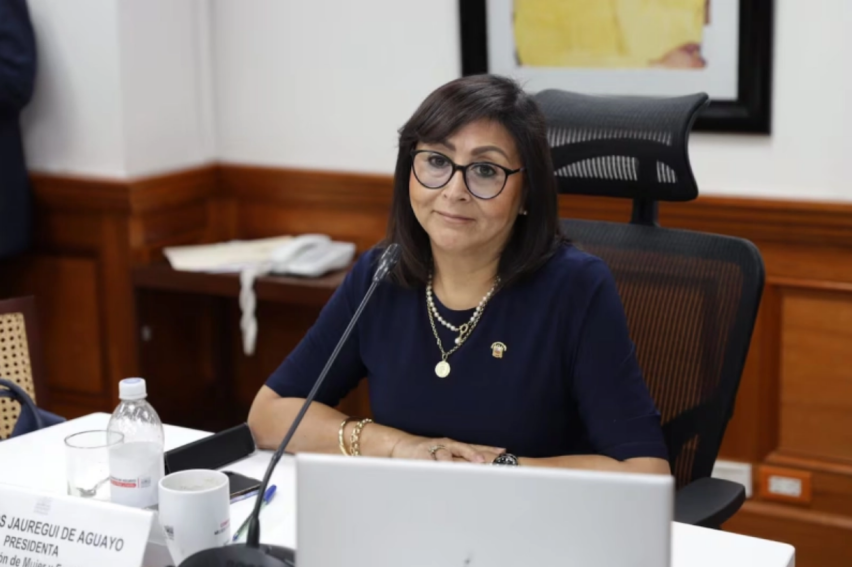
Another prominent figure is María de los Milagros Jackeline Jáuregui Martínez de Aguayo, known as Milagros Jáuregui. Born in Huancayo on June 16, 1963, she is an evangelical pastor and a congresswoman serving the 2021–2026 term representing Renovación Popular. Before entering politics, she founded the Christian church “La Casa del Padre,” where she developed leadership within evangelical circles.
In Congress, Jáuregui has held key positions, including serving as chair of the Women and Family Committee during the 2023–2024 term, and serving on other committees.
Her agenda is strongly pro-life and pro-family. She has promoted initiatives related to the role of parents in education, including proposals that would allow them to decide on sexual education content in schools, where critics have labeled her the “anti-rights congresswoman.” She has also supported proposals to modify criminal classifications such as femicide, suggesting it be replaced with the crime of “partner homicide.”
Her role has also been at the center of public debate. Media outlets such as El País have reported criticism of initiatives linked to her work with vulnerable minors, drawing criticism from human rights organizations.
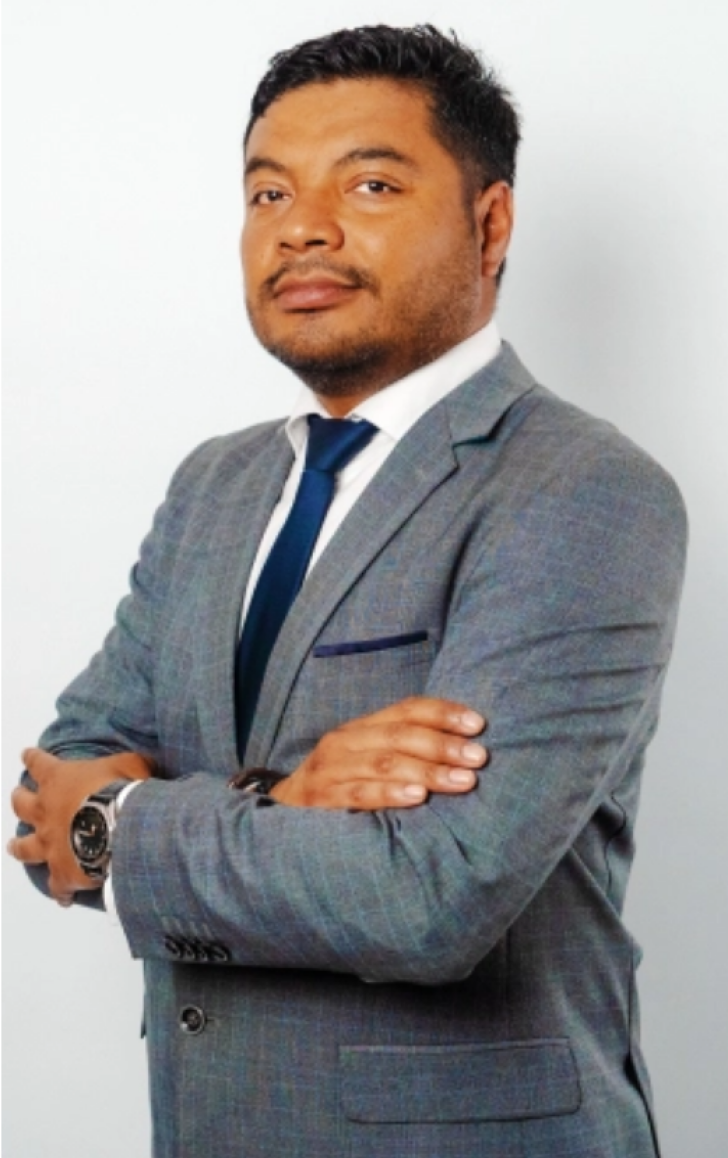
Alongside these figures are other candidates connected to these sectors, such as Leo Miguel De Paz Lancho, also associated with Renovación Popular, a party that has promoted the participation of leaders with a Christian identity in politics.
In a conversation with Diario Cristiano, De Paz Lancho said that “politics in Peru is going through a period of distrust and uncertainty, but also opportunity. People are tired of promises and expect results.” He also said he believes “it is time to restore politics as a form of service, with leadership, values and a genuine connection to the people.”
The young candidate said that “the church is not called to engage in partisan politics,” but “it is called to form citizens with values.” He added that “believers have both the right and the responsibility to participate in public life, contributing principles such as honesty, justice and service, fulfilling the call to be salt and light.”
Regarding his proposals, De Paz Lancho said he has a “clear agenda” focused on “defending life and family, increasing neighborhood safety, improving education with real opportunities, including language instruction and technical training, providing mental health support in schools, and offering direct support to entrepreneurs and small businesses. These are concrete proposals to improve quality of life.”
His vision extends beyond holding public office. “My commitment to my city and my country does not depend on a position. I will continue working, serving and developing leaders wherever I am. This is not a campaign — it is a mission. I will keep building the country with the same conviction,” he said.
The presence of these candidates reflects a growing trend in Latin America: the active participation of Christian leaders in institutional politics, with a focus on issues such as the defense of life, family and religious freedom. In Peru, this movement has found a channel of representation in parties such as Renovación Popular.
With an open and competitive landscape, the April 12 elections will not only define the country’s political direction but also how much influence these groups will gain in Congress and on the national public agenda.
Originally published by Diario Cristiano, Christian Daily International's Spanish edition.