The U.S. Senate has passed a resolution recognizing the 50th anniversary of Prison Fellowship, honoring the nation’s largest Christian nonprofit serving currently and formerly incarcerated people and their families.
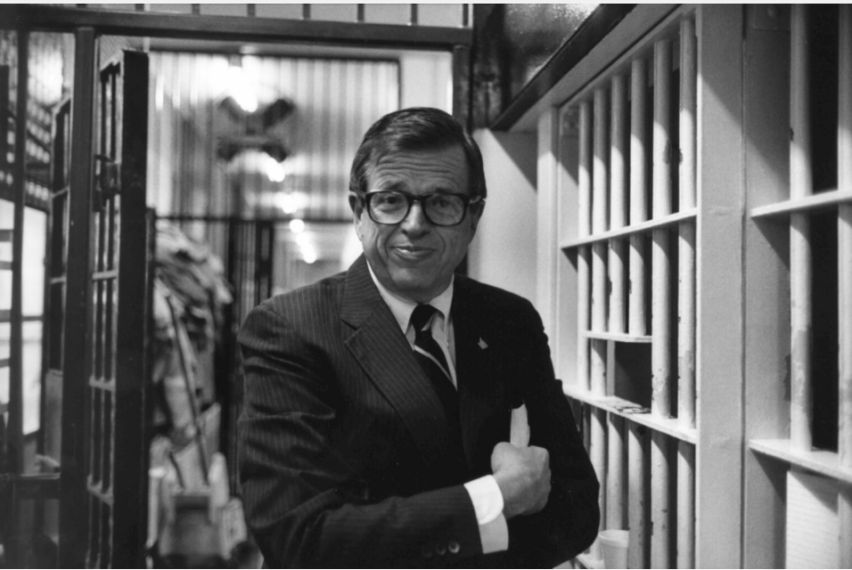
Founded in 1976 by Charles “Chuck” Colson following his incarceration for a Watergate-related crime, the Washington-based organization has grown over five decades into a nationwide ministry serving people affected by incarceration, advocating for criminal justice reform and providing faith-based programs inside correctional facilities.
The bipartisan resolution was co-sponsored by Sens. Christopher Coons, D-Del., and James Lankford, R-Okla., and recognizes Prison Fellowship’s five decades of prison ministry.
Heather Rice-Minus, president and CEO of Prison Fellowship, expressed gratitude for the Senate’s recognition, attributing the organization’s legacy to God’s faithfulness.
“Over the past 50 years, God has been faithful to use Prison Fellowship to bring hope and purpose to people impacted by incarceration,” Rice-Minus said in a statement. “What began with Chuck Colson’s transformation became a movement of individuals who believe no one is beyond God’s reach.”
Coons reflected on his personal connection to prison outreach, noting that his first visit to a maximum-security prison occurred when he was 12, accompanying his father on a prison ministry visit.
“For 50 years, Prison Fellowship has brought that transformation to communities across the country, answering Jesus’ call to love our neighbors no matter where or who they are,” Coons said.
Lankford emphasized the ministry’s role in offering individuals a path toward redemption and family restoration.
“Prison Fellowship has spent 50 years helping people understand that a mistake does not have to be the end of their story,” Lankford said. “Their work points people to Christ, helps restore families, and gives people the opportunity to change.”
In addition to its in-prison ministry, Prison Fellowship has engaged lawmakers on criminal justice policies focused on human dignity, public safety and second chances.
Scott Peyton, senior director of advocacy for Prison Fellowship, said the resolution reflects support for restorative approaches to criminal justice.
“We have worked with leaders across the political spectrum to advance reforms that strengthen families and promote safer communities, while creating pathways for people to pursue a second chance,” Peyton said.
As it enters its sixth decade, Prison Fellowship said it remains committed to expanding its reach, supporting families affected by incarceration and advocating for policies that balance accountability with restoration.