Articles by Surinder Kaur
-
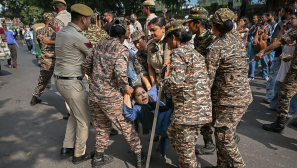
Delhi Police detained the founder and two senior leaders of a Gen Z protest movement aboard their plane Saturday, Oct. 10, as authorities shut dozens of metro stations, canceled more than 250 trains and deployed tens of thousands of officers to keep protesters away from the capital’s designated protest ground. -
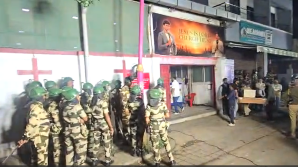
Church building demolished in Maharashtra state, India
Local authorities in Maharashtra state, India demolished a church building this month as the congregation was awaiting a court decision on a stay order against the destruction, sources said. -

Killer of Graham Staines and sons seeks early release from prison
More than 25 years after her husband and two sons were burned alive by a Hindu nationalist mob in India, Gladys Staines is again speaking of forgiveness even as the Odisha state government is pressured to decide on release from prison of the primary convict in the case. -
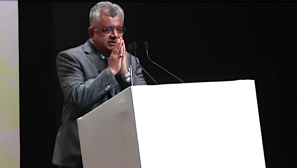
UN panel cites India for discrimination against Christians, Muslims
A U.N. panel last week cited India for discrimination against its Christian and Muslim minorities. -
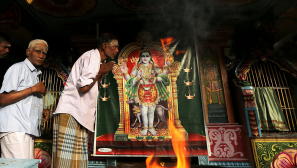
Nationalism of two kinds threatens Sri Lanka’s Christians
For decades, religious persecution in Sri Lanka was framed mainly as Sinhala-Buddhist nationalist campaigns against Christians and Muslims, but a growing body of research points to a less-examined front: Hindu nationalist or Hindutva-style movements among Sri Lankan Tamils in the northern and eastern provinces drawing ideological and organizational support from India’s Hindu right. -
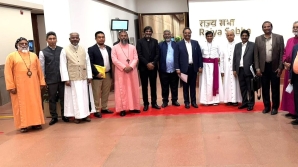
Bill in India to put church schools and hospitals in government hands goes to committee
A bill that could let India’s government seize the schools, hospitals and hostels run by faith-based charities over generations will not come to a vote just yet. -
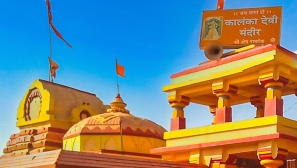
Maharashtra, India’s new ‘anti-conversion law’ could criminalize ministry, Christian leaders warn
A sweeping new law regulating religious conversion took effect in Maharashtra last week, threatening to turn catechism classes, charity work and even prayer meetings into grounds for a police investigation, Christian leaders said. -
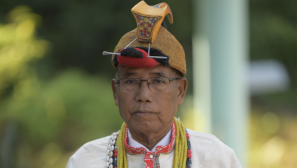
Nyishi Baptist pioneer and veteran statesman the Rev Khoda Tana passes away
Under a canopy at Nirjuli Village-I, district Papum Pare, at the residence of Mrs. Jumshi Tana, mourners gathered on the morning of July 13 for the funeral of the Reverend Khoda Tana – a founding figure of the Christian faith among the Nyishi, the largest indigenous tribal community in India’s northeastern border state of Arunachal Pradesh. -
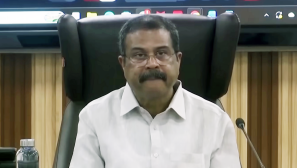
India’s Cockroach protests: Education minister resigns. The government is still deciding how to lose.
When Christian Daily International last reported on this movement on July 24, India’s government had met two of three demands set by the Cockroach Janta Party (CJP), a youth-led movement mocking Prime Minister Narendra Modi’s ruling Bharatiya Janata Party (BJP) but was withholding an answer on the central one. -
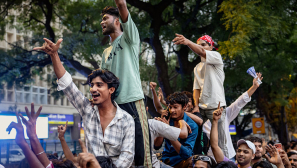
India's Cockroach protests: They wanted one resignation. They got tear gas, a hunger strike, and half a deal.
India’s government has given itself until Saturday afternoon (July 25) to answer the one demand it has not yet met: whether Education Minister Dharmendra Pradhan will lose his job. -
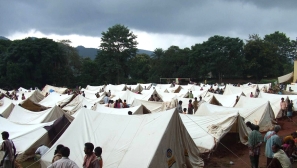
Vanished report on India’s worst anti-Christian violence deepens survivors’ distrust
Police in eastern India have opened a criminal investigation into the disappearance of an official report on the killing of about 100 Christians and the destruction of hundreds of church buildings in 2008. -

Six Naga hostages, including two pastors, killed as India's Manipur crisis widens
Six Naga men taken hostage in India's northeastern state of Manipur, two of them pastors, were found dead on June 10, their remains reportedly mutilated. More than a week later, their bodies have still not been handed over to their families.